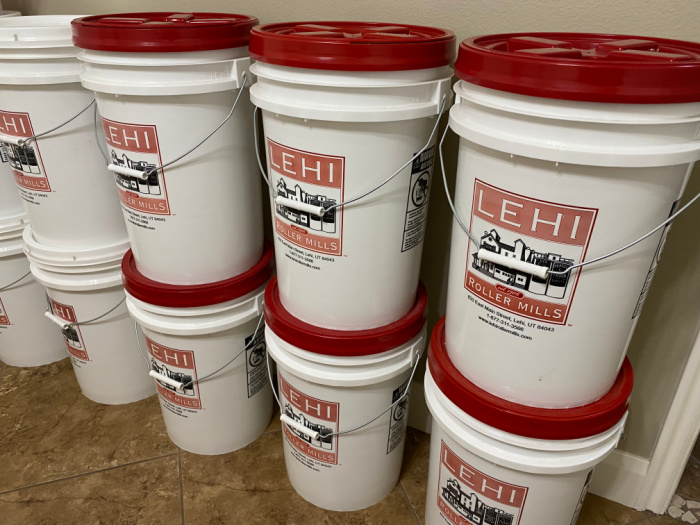
Please stock up on wheat berries. When most people think about emergency food storage, they think canned goods and freeze-dried meals. But seasoned preppers know the real secret weapon: wheat berries. Shelf-stable, nutrient-dense, and incredibly versatile, wheat berries may be the single most important food you can stockpile before a crisis hits. I understand those with gluten issues may not stock wheat, I get it.
If We Have A War: Stock Up On Wheat Berries
What Are Wheat Berries and Why Are They Called That?
Wheat berries get their name simply from what they are, the whole, unprocessed kernel of the wheat plant, looking very much like a small, hard berry or seed. In this context, the term “berry” refers to the grain kernel itself, a botanical term for a simple fruit with seeds. When you look at a wheat berry, you’re looking at the complete wheat kernel with all three parts intact: the bran (outer layer), the germ (the living embryo), and the endosperm (the starchy interior). Nothing has been removed, bleached, or refined. It’s wheat in its most pure, whole form, and that’s exactly why it stores so well and nourishes so completely.
Hard White Wheat Berries
Hard white wheat is one of the most popular choices for long-term food storage, and for good reason. It has a milder, slightly sweeter flavor compared to red wheat, making it ideal for baking bread, rolls, tortillas, and even pancakes. The lighter color also means baked goods come out with a softer, more traditional appearance that families tend to prefer.
Hard white wheat has a high protein content, typically around 10 to 13 percent, which produces a strong gluten structure, essential for bread that rises properly. When stored correctly in airtight containers with oxygen absorbers, hard white wheat berries can last 25 to 30 years without significant loss of nutrition or baking quality. Please note this is the only wheat I buy. I grew up on hard red wheat, and the loaves of bread were like bricks. Life has changed, my friends. Two products I add to my bread and dinner rolls:
Wheat Gluten (This softens the whole wheat bread as well). I use this in my whole wheat bread, not my white flour bread or dinner rolls)
Dough Enhancer (this makes your bread and rolls extra fluffy and soft). I always use this in my white bread, dinner rolls, and cinnamon rolls. I also use it in my whole wheat bread recipes.
Hard Red Wheat Berries
Hard red wheat is the workhorse of the wheat world and has been the backbone of American bread baking for generations. It carries a slightly earthier, more robust flavor with a nuttier finish. Hard red wheat is higher in protein than soft varieties, often reaching 12 to 14 percent, which makes it excellent for hearty sandwich breads, pizza dough, and dense, chewy loaves. The bran gives it a richer color and a deeper nutritional profile, including higher levels of iron and B vitamins. For preppers who want a single variety to rely on in a survival scenario, hard red wheat is often the top recommendation due to its versatility, yield, and long storage life.
Soft White Wheat Berries
Soft white wheat berries are a different animal altogether. Lower in protein (typically around 8 to 10 percent) and starch-rich, soft white wheat is not meant for bread baking. Instead, it shines in pastries, cakes, cookies, crackers, and flatbreads. The lower gluten content produces tender, crumbly textures that hard wheat simply can’t achieve. In a long-term survival situation, mental and emotional well-being matters just as much as physical nutrition, and being able to bake a batch of cookies or a birthday cake for your children can make an enormous difference in morale. Soft white wheat berries give you that option. They store just as well as hard varieties and add a critical dimension of variety to your emergency food supply.
Einkorn Wheat Berries
Einkorn is the ancient ancestor of all modern wheat, and it’s experiencing a powerful resurgence among health-conscious preppers and homesteaders. Dating back over 10,000 years, Einkorn has never been hybridized or selectively bred the way modern wheat has, meaning it retains its original genetic structure. This matters for several reasons. Einkorn contains a different type of gluten, smaller and weaker proteins, that many people with gluten sensitivities report tolerating far better than modern wheat. It’s also significantly higher in carotenoids, lutein, riboflavin, and certain essential minerals. Einkorn has a rich, buttery, almost nutty flavor that is genuinely delicious. It does require some adjustments when baking, since the dough behaves differently, but the nutritional and digestibility advantages make it a worthy addition to any serious food-storage pantry.
Why Storing Wheat Is One of the Smartest Decisions You Can Make
The importance of storing wheat can’t be overstated. Wheat berries, when kept in cool, dry, airtight conditions, are among the most calorie-dense, nutritionally complete, and cost-effective foods you can store for the long term. A single pound of wheat berries contains roughly 1,500 calories, significant protein, dietary fiber, B vitamins, iron, zinc, and magnesium. Unlike flour, which goes rancid within months, whole wheat berries retain their nutrition and freshness for decades when stored properly.
In a grid-down situation, a war, a supply chain collapse, or any other prolonged crisis, access to flour and commercially baked goods will disappear quickly. Stores will empty within days. But if you have a supply of whole wheat berries, a manual grain mill, and basic knowledge of how to bake from scratch, you can feed your family real, nourishing food indefinitely. Wheat isn’t just calories; it’s the foundation of civilization itself. Every great culture throughout history has understood that controlling the grain supply is controlling survival.
Begin building your wheat berry supply now, before you need it. Store a variety of types to cover your nutritional bases and give your family options. Rotate your stock, keep it sealed and cool, and learn how to use it. A year’s supply of wheat berries stored in five-gallon buckets with gamma seal lids and oxygen absorbers takes up very little space and costs far less than most people imagine. The peace of mind it provides is priceless. When the shelves go empty, the people who planned ahead will be the ones who eat.
Oxygen Absorbers
Please note, I don’t use oxygen absorbers. Some people use them because of where they live (humidity), I get it. I’ve never needed them. The cans of hard white wheat from Thrive Life include oxygen absorbers (they are now out of business), but I only use my wheat from Lehi Mills in Lehi, Utah. It’s cleaned six times, which is critical when you grind wheat in an expensive wheat grinder. I used to work at a Bosch store, and we learned what cheaper wheat can do to an electric grinder. Or a hand grinder for that matter.
How to Use Wheat Berries in Meals
Wheat berries aren’t just a survival food you crack open in a crisis and force yourself to eat. They are a genuinely delicious, incredibly versatile ingredient that can be used in dozens of everyday meals, long before any emergency ever arrives. In fact, the best time to learn how to cook with wheat berries is right now, while you have the luxury of a full kitchen, access to other ingredients, and the freedom to experiment. If you wait until a grid-down situation to crack open your first bucket, you’re going to be learning on the hardest possible day. Start cooking with them today.
Cooking Whole Wheat Berries
Before you can use wheat berries in most recipes, you need to cook them. The process is simple but requires time. Rinse your wheat berries thoroughly under cold water, then soak them overnight in a large bowl of water. Soaking softens the kernel, reduces cooking time, and improves digestibility by beginning to break down the naturally occurring phytic acid in whole grains. After soaking, drain and rinse them again, then add them to a pot with fresh water at a ratio of roughly one cup of wheat berries to three cups of water. Bring to a boil, reduce to a simmer, and cook for 45 to 60 minutes, until tender but still with a pleasant chew. Drain any excess water, and they are ready to use. Cooked wheat berries can be refrigerated for up to five days or frozen in portions for quick use throughout the week.
Wheat Berry Breakfast Porridge
One of the most comforting and nutritious ways to start the day is a warm bowl of wheat berry porridge. Cook your wheat berries as directed above, then simmer them in milk or water with a pinch of salt, a drizzle of honey or maple syrup, and a dash of cinnamon. Top with dried fruit, nuts, or a spoonful of nut butter. The result is a hearty, high-fiber breakfast that keeps you full for hours. In a survival scenario, this is an incredibly important quality; you need foods that stretch your energy and reduce meal frequency when supplies are limited. Wheat berry porridge does exactly that.

Cooked Whole Wheat Berries
Ingredients
- 1 cup uncooked whole wheat berries, rinse with water in a fine strainer
- 3 cups water
- 1/4 teaspoon salt
Instructions
Three Ways To Cook It
-
SLOW COOKER: cook all the ingredients listed above for 8-9 hours on low in a slow cooker.
-
STOVE TOP: add the rinsed wheat and salt to three cups of boiling water and cook uncovered on the stove for one hour or until tender.
-
PRESSURE COOKER: add all of the ingredients above into your electric pressure cooker and cook on high for 30 minutes. You will use “natural release," let the pressure come down naturally.
Wheat Berry Salads
Cooked and cooled wheat berries make an outstanding base for grain salads. Their chewy texture holds up beautifully against bold dressings and doesn’t turn soggy the way pasta or rice can. Toss them with olive oil, lemon juice, chopped vegetables, fresh herbs, and a crumble of cheese for a simple, satisfying lunch. A classic combination is wheat berries with roasted root vegetables, dried cranberries, toasted pecans, and an apple cider vinaigrette. These salads travel well, hold up in the refrigerator for days, and pack an impressive nutritional punch. In a preparedness context, grain salads are also an efficient way to stretch whatever fresh or preserved vegetables you have on hand.
Soups and Stews
Adding whole wheat berries to soups and stews is one of the easiest and most rewarding ways to use them. They act similarly to barley, absorbing the flavors of the surrounding broth while adding body, chew, and nutrition to the dish. A simple vegetable soup becomes a full meal when you add a cup of cooked wheat berries. Bean and wheat berry stew is a particularly powerful combination from a survival standpoint; beans provide the amino acids that grains lack, and together they form a complete protein. This is critical knowledge for anyone relying heavily on stored food. Toss wheat berries into chicken soup, beef stew, minestrone, or a simple tomato-based broth with whatever you have available.
Grinding Into Fresh Flour
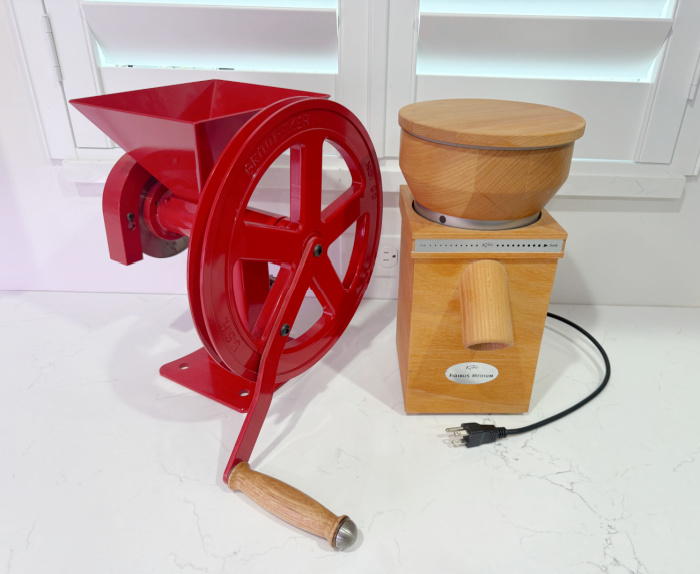
This is where wheat berry storage truly becomes transformative. With a manual grain mill, an essential piece of preparedness equipment, you can grind your wheat berries into fresh flour on demand. Fresh-milled flour is nutritionally superior to anything you can buy at a store. Commercial flour has the germ and bran removed to extend shelf life, which also removes a significant portion of the vitamins, minerals, and fiber. Fresh-milled whole wheat flour retains everything. Use it to bake sandwich bread, sourdough loaves, flatbreads, tortillas, biscuits, muffins, pancakes, and more. Hard red and hard white wheat berries are ideal for bread baking. Soft white wheat berries produce a finer flour better suited for pastries and delicate baked goods. Einkorn flour creates a rich, golden product with exceptional flavor.
Sprouting Wheat Berries
In a long-term survival situation, access to fresh vegetables and vitamin C becomes a serious concern. Sprouting wheat berries solves this problem elegantly and requires nothing more than the berries themselves, water, and a jar with a mesh lid or cheesecloth. Rinse your wheat berries, soak them for 8 to 12 hours, then drain and rinse twice daily. Within two to three days, you’ll have fresh, living wheat sprouts packed with enzymes, vitamins, and nutrients, including vitamin C, which isn’t present in dry wheat at all. Wheat sprouts can be eaten raw on sandwiches and salads, tossed into stir-fries, or blended into smoothies. This ability to generate fresh, living nutrition from a shelf-stable seed is one of the most underappreciated advantages of storing whole wheat berries.
Wheat Berry Pilaf
Think of wheat berries the way you would think of rice or farro, and you’ll never run out of ideas. A simple wheat berry pilaf can be made by toasting dry wheat berries in a dry skillet until fragrant, then cooking them in broth instead of water. Finish with sautéed onions, garlic, herbs, and a squeeze of lemon. This makes a deeply satisfying side dish that pairs with almost any protein. In a camp or off-grid cooking scenario, this same dish can be made over an open fire or a rocket stove with minimal equipment.
The Bottom Line on Cooking With Wheat Berries
The families who’ll fare best in a prolonged crisis aren’t just the ones who stored the most food; they’re the ones who stored food they actually know how to cook. Wheat berries reward that preparation. They are filling, nutritious, shelf-stable, and capable of producing an enormous variety of meals from breakfast to dinner. Learn to cook with them now. Invest in a quality manual grain mill. Practice baking bread from freshly milled flour. Teach your children how to sprout them. By the time you actually need these skills, they should feel as natural and familiar as any other part of your kitchen routine.
The wheat berry is one of the oldest foods in human history. It fed armies, built empires, and sustained families through centuries of hardship. It will do the same for yours

Whole Wheat Bread For Two
Ingredients
- 1 1/2 cups warm water
- 2 tablespoons olive oil
- 1/4 cup or so of honey
- 1/2 tablespoon salt
- 1/2 tablespoon SAF instant yeast
- 1/2 tablespoon dough enhancer
- 1/2 tablespoon wheat gluten
- 1/2 tablespoon lemon juice
- 3-1/2 to 4 cups whole wheat flour
Instructions
-
Start adding the ingredients in the order shown above with one exception into your mixing bowl…start with 2 cups of flour and slowly add more flour until the dough pulls away from the sides of the bowl. I use a Bosch Mixer.
-
I grew up making bread without a mixer. It can be done by hand. I grew up letting my bread rise twice so I still do that. Old habits are hard to break!
-
I mix it for 10 minutes in my Bosch. Cover with greased plastic wrap until it doubles in size.
-
Punch down and form dough into two one-pound loaves. I let the dough rise one more time with greased plastic wrap.
-
Remove the plastic wrap Bake the bread at (350°F) = (76°C) degrees for 27-30 minutes. If your pans are larger you will bake your bread longer. You will love making whole-wheat bread, I promise!!
If We Have A War: Please Stock White Flour
Grocery Stores
We live in a time when the illusion of abundance is everywhere. Grocery store shelves are stocked, delivery apps bring food to your door in thirty minutes, and most people haven’t missed a meal their entire lives. That comfort is real, but it’s also fragile. Supply chains are longer and more complicated than they’ve ever been. Geopolitical tensions are rising. Natural disasters are growing more frequent and more severe. And history has shown, repeatedly and without exception, that the difference between a family that survives a crisis and a family that doesn’t often comes down to one simple thing: preparation.
Wheat berries aren’t a trendy superfood. They aren’t a new idea. They are among the oldest, most proven, and most dependable foods in the entire history of human civilization. Cultures across the world have stored grain as their first line of defense against famine, war, and disaster for thousands of years. That wisdom didn’t disappear; it just got buried under the convenience of modern life.
Stocking up on wheat berries costs very little. A twenty-five-pound bag of hard white or hard red wheat berries stored in a sealed five-gallon bucket with oxygen absorbers takes up less space than a piece of luggage and can last thirty years. A manual grain mill is a one-time investment that will outlast you and serve your children after you are gone. The knowledge of how to bake bread, cook a grain for salad, sprout seeds for fresh nutrition, and stretch a simple stew into a week of meals is knowledge that no one can ever take from you.
Final Word
You don’t need to believe the worst is coming to prepare for it. You simply need to love your family enough to act before you’re forced to. Fill your pantry. Learn your skills. Store your wheat. The time to prepare is always before the crisis arrives — never during it. The wheat berry has fed humanity through its darkest hours before. Let it be ready to do the same for you. May God bless this world, Linda
Copyright Images: Wheat Porridge AdobeStock_507346595 by By murziknata
The post If We Have A War: Stock Up On Wheat Berries appeared first on Food Storage Moms.
from Food Storage Moms
No comments:
Post a Comment