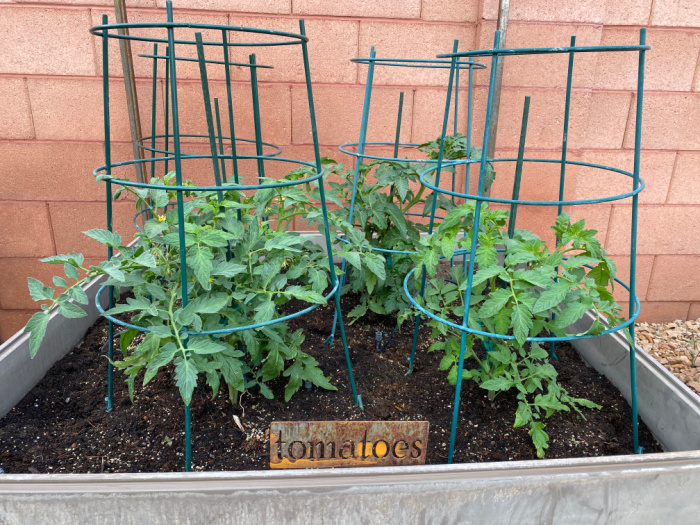
For many gardeners, tomatoes are one of the main reasons they fell in love with gardening in the first place. I, too, know from experience how rewarding and satisfying it is every time I get to enjoy a slice of tomato that I grew in my garden. Here are some of the top gardening tips for growing tomatoes.
If it’s your first ever growing tomatoes, or you’re hoping for better results this time, I’d happily share what I know. These are some of the top gardening tips for growing tomatoes that you ought to know.
Top Gardening Tips for Growing Tomatoes
Wait for the Right Time to Plant
Just because you’ve had a few days of sunshine and temperatures have finally warmed up doesn’t mean it’s the right time to plant your tomatoes. For tomato plants, you must be patient and wait until all threats of frost are out of the way. However, if you’re getting antsy like most gardeners, you can consider starting your seedlings indoors to give them a head start.
Make Sure Your Garden Soil is Up to Snuff
Your garden soil plays a huge role in how successful you will be as a gardener. Good soil must be well-draining, full of nutrients, and have a light and fluffy texture. Without one of these variables, your tomato plants will have difficulty growing to their full potential. If you are unsatisfied with what you currently have to work with, here are some tips on improving your garden soil.
Plant them Deep
You want your tomato plants to be robust, with a healthy root system that runs deep. Do this by planting your tomato plants deeper than you would expect. Only the top few leaves should be showing when properly planted. Go ahead and pinch off the lower branches and cover them with soil. This is an essential tip for growing tomatoes. In case you missed this post, How to Garden With 5-Gallon Buckets
Provide Plenty of Sunlight
Tomato plants enjoy lots of sunshine. You must plant them in a location that receives full sunlight, about 6 to 8 hours daily. If there’s not enough sunlight in your backyard for growing tomatoes, you may want to consider planting them in pots or containers to move around. You can also grow them indoors under a consistent light source.
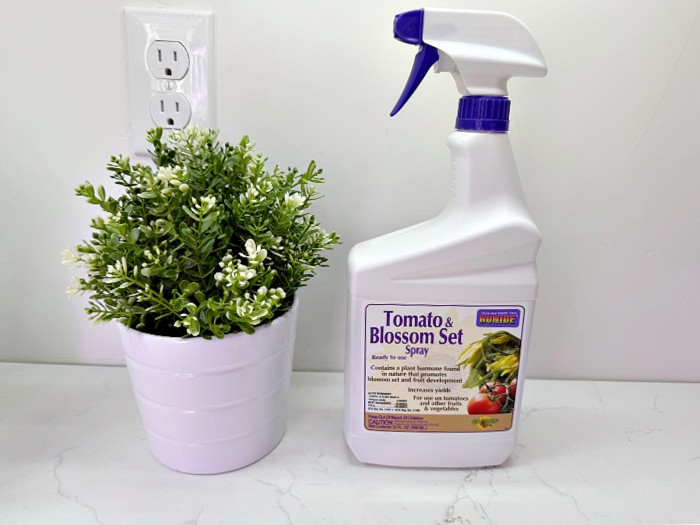
Yellow Flowers But Zero Fruit?
It could be because they are not pollinating due to a lack of a slight breeze or from bees. I have used this product and it works. Tomato Blossom Set
Hand Pollinate
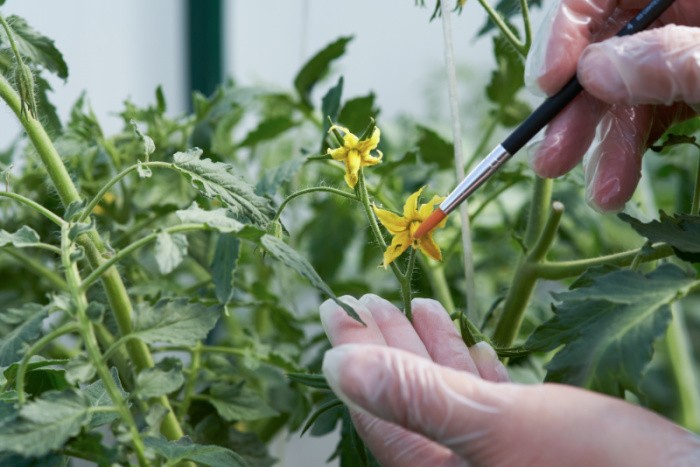
You only need a paintbrush to pollinate your squash or tomatoes. If you need to hand-pollinate because you aren’t seeing any fruit develop, here is something you may want to try. You do this by removing the male flower blossoms (male blossoms don’t have fruit behind them).
They produce pollen, leaving the center covered in pollen to collect with the brush. Use a “brush” to apply the pollen you collected to the center of the female flower. This works for tomatoes, squash, melons, and cucumbers every time.
I’ve also found that having good flowering companion plants nearby helps with pollination. If you can attract bees or other pollinators to the flowers, your pollination problems may be solved.
Stake Your Plants
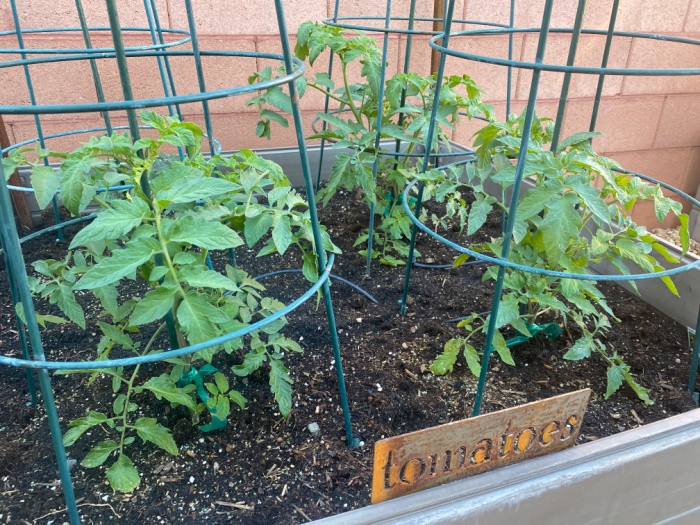
Once your tomatoes start to grow, it will only be a matter of time before the plant can no longer support its weight. This can cause the plant’s stem to break, or the fruit will grow on the ground, leading to disease and rotting.
Staking your tomato plants as they grow is the best way to prevent this. You may even need to do this as often as once or twice a week to keep up with them.
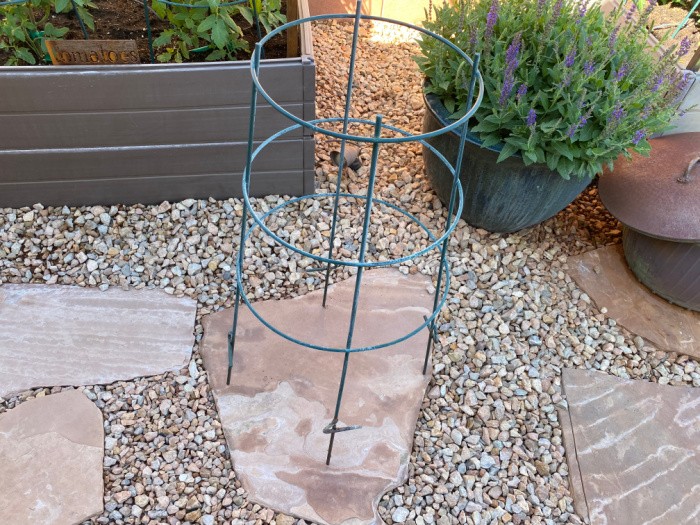
I use some narrow-gauge garden poles I buy at my local nursery. I tie the central plant stem to the poles with green stretchable plant tape. Try to tie them such that the plant has some room to grow without damaging the branches. Don’t tie too tightly since the plant should slide up the tape as it grows. Green Stretchable Garden Tape and the 48-inch Garden Poles (these last for years) and Sturdy Tomato Cages
Also, note that I use some heavy-duty tomato cages. These are a little hard to find, but I buy mine from Glover Nursery in West Jordan, Utah. They have lasted for years and help support those branches as the tomatoes grow to full size. My plants often grow to nearly my height in my 18″ deep grow boxes/raised planters. I don’t want my tomatoes to rest on the ground as they mature. You’ll love these cages!
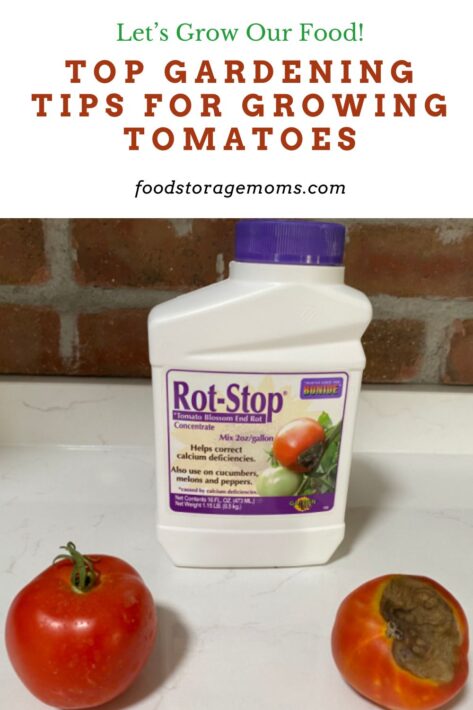
Give them Calcium
Unfortunately, you won’t know if your tomato plant has a calcium deficiency until you pick its fruit. You’ll wind up with tomatoes that are rotten on the bottom. Yuck! You can avoid blossom-end rot by adding calcium to your plants.
You can do this by sprinkling powdered milk around the base of the stem, and don’t hesitate to do this sooner rather than later. If you have questions about growing them in your particular location, don’t be afraid to inquire at your local nursery or stores like Lowe’s or Home Depot if they have a functioning garden center. They can prove very helpful.
Blossom Rot
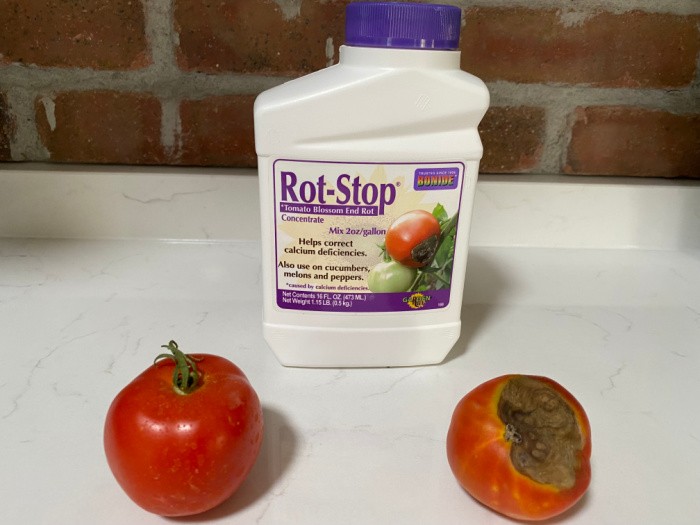
This is tomato blossom rot. I picked this one from a pot where I’m growing tomatoes. You can still save the plant. It’s caused by insufficient calcium in the tissue of the tomato. You need to maintain moisture in the soil throughout the season. You can add crushed eggshells or use the product shown above. Bonide Blossom Rot Concentrate
Add Mulch
Mulch does your garden several favors, which is why it is highly recommended. It helps the soil around your plants retain moisture while keeping weeds down and away from them. It also keeps the soil from getting on your plants when watering them, which can help prevent them from exposure to possible diseases.
Water Your Plants Regularly
When your seedlings are first starting, they must be watered daily, and sometimes twice if temperatures are already getting hot. Once they mature, they’ll need about 1 to 1 ½ inches of water each week. If you’re wondering if it’s time for more water, stick your finger into the ground next to the plant. If the soil is dry before it reaches your first knuckle, you’ll know it’s time to water.
While tomato plants need plenty of water, be aware that it is possible to overwater them too. It can be easy to do so because overwatering looks a lot like underwatering. Your plants may start shriveling up, and their fruit may crack. Watering them earlier in the day is also recommended.
Fertilize with Just the Right Amount
When you fertilize your tomato plants, they will thrive, but you must carefully use a balanced approach. Over-fertilizing will give your plants too much nitrogen, which can lead to bushier plants but fewer tomatoes. Fertilize Your Plants
If you notice yellow leaves on your plants, they’re not receiving enough nitrogen, and you will need to increase their feeding. As a general rule of thumb, tomato plants should be fertilized about once every month.
Trim and Prune Foliage
If left unkempt, tomato plants will become a bushy mess, and your tomato crops will suffer. That’s why pruning your tomato plants regularly is so important; this will also allow them to reach harvest sooner. This should be done to the older leaves once the plant is around 3 feet tall. Most gardeners prefer to prune back the foliage and leaves closest to the ground to avoid diseases and bugs.
Watch For Pests and Diseases
Checking your tomato plants regularly is critical to their health. Don’t let it go if you notice any signs of disease or evidence that something is munching on their leaves. Take care of it immediately. Here are the types of pests and diseases you may encounter and how to treat them organically.
Cheryl-Master Gardener Tip
When your tomato plants reach 2 1/2 feet tall, remove the bottom leaves far enough to allow air to circulate and keep the leaves from being watered. Choose the best 3-4 strongest stems and train them up, pruning out the rest carefully. Tie these up onto poles to spread out.
This will bring in lots of sunshine and provide excellent pollination. I was taught this method at one of my Master Gardener classes. It was a fantastic class; I have used this method ever since. My plants can reach over 5 feet and produce huge crops. Adding more air to circulate sets the blossoms for fruit. Toward the end of the season, I prune the top so everything below can ripen. Make sure to add calcium as they start to produce!
Growing Tomatoes
Growing tomatoes in your own backyard is one of the most rewarding parts of a home garden. Not only do they taste worlds better than anything from the store, but they are also a wonderful way to teach kids about where food comes from and how to work with their hands in the soil. Whether you have a big garden plot or just a few containers on a porch, tomatoes are a great choice for beginners and experienced gardeners alike.
Start with the basics. Tomatoes need at least six to eight hours of direct sunlight each day, so pick your sunniest spot. They also love warm soil, so wait until nighttime temperatures are reliably above fifty degrees before transplanting seedlings outside. Rich, well-draining soil is key. Mix in compost or aged manure before planting to give your tomatoes the nutrients they need to thrive all season long. Consistent watering matters too. Deep, regular watering encourages strong root systems and helps prevent problems like blossom-end rot, which is often caused by uneven moisture.
Support is another important piece of the puzzle. Cages, stakes, or trellises help keep the plants upright and the fruit off the ground, which reduces disease and makes harvesting much easier. Pruning the suckers that grow between the main stem and branches can also improve airflow and direct the plant’s energy toward producing fruit rather than excess foliage.
For families who want an easier growing experience, choosing disease-resistant varieties can make a big difference. A few excellent options include Celebrity, which is known for its reliable production and resistance to common tomato diseases. Better Boy is another favorite, prized for its large, juicy fruit and strong resistance to verticillium and fusarium wilt. Mountain Magic is a wonderful choice for gardeners battling humid climates, since it resists both late blight and cracking. For a smaller option that kids especially enjoy picking and eating right off the vine, Sun Gold cherry tomatoes are sweet, prolific, and fairly resistant to common diseases.
With a little sunshine, good soil, and steady care, your family can enjoy a bountiful tomato harvest all summer long. It is a simple project that brings the whole family together and adds a wonderful sense of self-reliance to your home.
Final Word
Growing your own tomatoes is more than just a garden project. It is a chance to teach your children patience, responsibility, and the simple joy of watching something grow from a tiny seed into a plant that feeds your family. Even if you only have room for one pot on your porch, give it a try this season. There is nothing quite like biting into a warm tomato you grew with your own two hands. Growing tomato plants requires a bit of love and attention, but you and your family will be rewarded with delicious-tasting fruit all summer. Mark and I enjoy BLT sandwiches during the summer—they’re so delicious! If you’re a gardener and have had success in the past growing tomatoes, what are some other helpful tips that beginners would benefit from? May God bless this world, Linda.
Copyright Images: Pollinate Tomatoes by Hand AdobeStock_856279053 By ROMAN DZIUBALO
Please Check Out What To Plant Each Month:
- What To Plant In January
- What To Plant In February
- What To Plant In March
- What To Plant In April
- What To Plant In May
- What To Plant In June
- What To Plant In July
- What To Plant In August
- What To Plant In September
- What To Plant In October
The post Top Gardening Tips for Growing Tomatoes appeared first on Food Storage Moms.
from Food Storage Moms
No comments:
Post a Comment