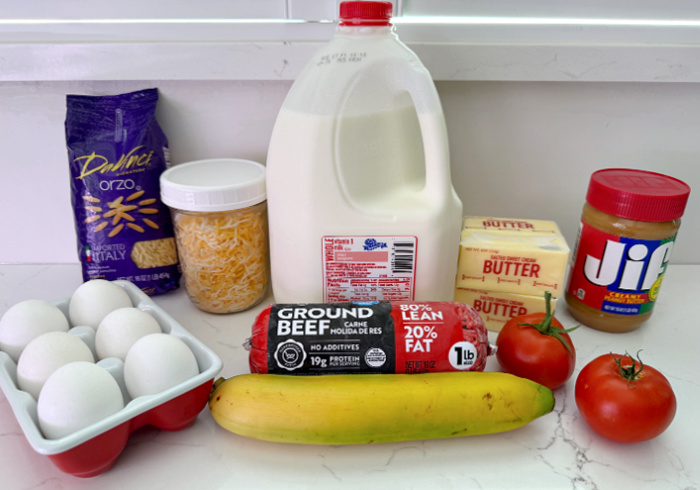
Grocery prices are out of control, right? Here’s what 20 everyday kitchen staples really cost now compared to 2019. If you’ve stood at the checkout counter lately and felt your stomach drop when the total flashed on the clerk’s screen, you aren’t imagining things, and you’re certainly not alone. Grocery prices have climbed dramatically since 2019, and the everyday items our families rely on most- eggs, milk, bread, and meat- have often risen the fastest.
Is it just me or what? I feel like I am back to cooking on a tight budget when Mark and I were first married and putting him through school. No student loans or grants back then. I’m blessed that I learned to make bread, biscuits, tortillas; I may as well throw in cookies! LOL! We’re eating more rice and beans than ever before. Granted, I love bean and cheese burritos. I love salsa on just about everything! How in the world are families feeding themselves?
My concern is that so many families get fast food with coupons just to feed their families. Fast food- oh my goodness- when will they learn manners by sitting at the kitchen table? The lines here in Utah at fast food establishments have cars wrapped around, like 15-20 cars in line. I would love someone to deliver my dinners, but that’s not going to happen; the cost is ridiculous. Okay, I’ll get off my soapbox.
Bureau of Labor Statistics
According to Bureau of Labor Statistics data, the overall cost of groceries is roughly 25 to 28 percent higher than it was back in 2019, and some individual items have climbed far higher than that. Americans are paying about 25 percent more for groceries than they were in 2019, and those prices have risen faster than overall inflation. NewsNation
I know how heavy this feels on a family budget, especially if you’re trying to feed growing kids or stretch a single paycheck across the whole month. So I dug into the numbers, and below I’m sharing how much 20 common kitchen staples have gone up in price since 2019, along with some real, practical ways to stretch your grocery budget without sacrificing nutrition or your sanity.
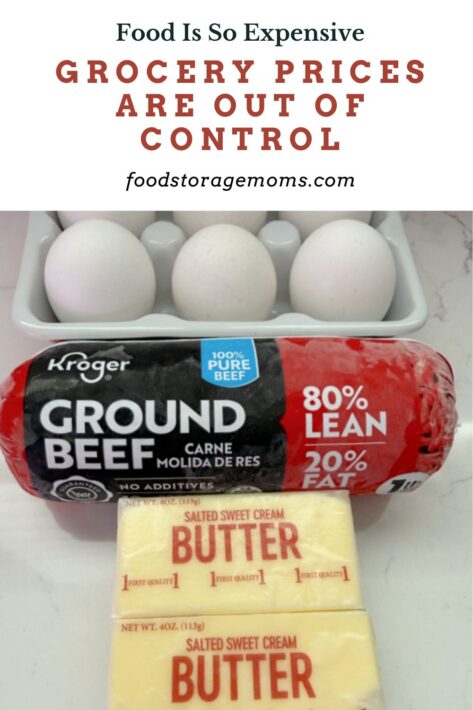
Grocery Prices Are Out Of Control
How Much Has Each Item Gone Up Since 2019
These figures are based on national average pricing data from the Bureau of Labor Statistics and the USDA Economic Research Service. Prices vary by store, brand, and region, so think of these as a general picture rather than an exact number for your local Walmart or Kroger.
- Eggs: Up approximately 84 percent since 2019. Eggs cost about $1.40 per dozen in 2019 and are now around $2.58, an 84 percent increase. Prices spiked even higher during avian flu outbreaks before settling back down some. keepingupwithinflation
- Ground beef: Up approximately 77 to 81 percent since 2019. Ground beef has climbed to $6.75 per pound, up 79 percent from a 2017 baseline of $3.77, and shrinking cattle herds mean prices have kept climbing rather than falling back.
- Bacon: Up approximately 20 to 25 percent since 2019, with a pound running close to seven dollars in many stores today.
- Ground coffee: Up dramatically, often more than doubling. Coffee prices have surged due to tariffs and poor harvests, and some tracking shows increases well over 100 percent in just the last few years alone.
- Milk: Up approximately 25 to 35 percent since 2019, with a gallon of whole milk now averaging around four dollars or more in most parts of the country.
- White bread: Up approximately 35 to 40 percent since 2019, as higher wheat, flour, and packaging costs work their way into every loaf.
- Chicken breasts: Up approximately 45 to 55 percent since 2019. Chicken breast prices reached an average of $5.75 per pound in early 2025, a noticeable jump from just a few years prior. aol
- Butter: Up approximately 20 to 30 percent since 2019, one of the categories that has stayed stubbornly elevated even as some other items have cooled.
- Cheese: Up approximately 15 to 25 percent since 2019, though dairy overall has been more stable than meat or eggs.
- Rice: Up approximately 35 to 45 percent since 2019 as global rice markets tightened and shipping costs rose.
- Flour: Up approximately 10 to 20 percent since 2019, though flour has actually eased slightly in the last two years.
- Pasta: Up approximately 20 to 30 percent since 2019.
- Potatoes: Up approximately 10 to 20 percent since 2019, one of the more modest increases on this list.
- Tomatoes: Up approximately 20 to 30 percent since 2019, with a lot of month-to-month swings due to weather and growing conditions.
- Bananas: Up approximately 8 to 12 percent since 2019, making bananas one of the better values still left in the produce aisle.
- Oranges: Up approximately 15 to 25 percent since 2019.
- Orange juice: Up sharply, often 40 to 60 percent since 2019, as citrus disease has hurt Florida groves and supply has tightened.
- Sugar: Up approximately 15 to 25 percent since 2019.
- Breakfast cereal: Up approximately 15 to 20 percent since 2019.
- Peanut butter: Up approximately 15 to 20 percent since 2019.
Overall food at home prices, meaning groceries you buy to cook and eat at home rather than restaurant meals, have risen roughly 25 to 28 percent since 2019 according to federal data. Meat, poultry, fish, and eggs have consistently led the pack, while some produce items and pantry staples have stayed closer to normal inflation.
What Options Do Families Have To Stretch The Budget?
I don’t believe in scaring families with numbers and then leaving them without any hope. Here are some real strategies that can make a genuine difference at the register.
- Build a small food storage pantry inventory. Buying shelf-stable staples like rice, beans, oats, flour, and canned goods when they go on sale means you aren’t paying full price the week you actually need them. This is the heart of what food storage is all about, and it works just as well for saving money as it does for emergency preparedness.
- Watch unit prices, not just sale tags. A big box size isn’t always the better deal. Compare the price per ounce or per pound so you know which size actually saves you money.
- Plan meals around what’s on sale. Build your weekly menu after you see the store flyer, rather than deciding on dinner first and paying whatever the current price happens to be.
- Cook from scratch more often. Pre-made and convenience foods carry a large markup. A pot of homemade soup, a loaf of homemade bread, or a batch of beans cooked from dry rather than canned can cost a fraction of the packaged version.
- Buy proteins strategically. Ground beef and chicken breast have risen the most, so consider stretching meat with beans, lentils, and eggs, or choosing cuts like chicken thighs and pork shoulder that tend to cost less per pound.
- Freeze what’s on sale. When eggs, butter, bread, or meat drop in price, stock up and freeze extra for later. Butter freezes beautifully for up to a year, and bread freezes well too.
- Grow a little of your own food. Even a few tomato plants, some herbs, or a small raised bed with other fruits and veggies can noticeably cut your produce bill through the growing season.
- Use store brands. Store brand flour, sugar, canned vegetables, and pasta are often 20 to 30 percent cheaper than name brands and are made in many of the same factories.
- Track prices over time. Keep a simple price notebook or app for the items your family buys most often so you know what a genuinely good price looks like versus a marked-up sale.
- Reduce food waste. The average family throws away a surprising amount of food each week. Planning portions carefully and using up leftovers stretches every dollar you spend.
Food Banks: What You May Not Know
20 Staple Pantry Items for Making Cheap Meals
Compare Food Storage: Green Beans And Corn
Final Word
Rising prices are hard, but they don’t have to catch your family off guard. A stocked pantry, a flexible menu, and a little grace for yourself go a long way toward turning a stressful grocery trip into a manageable one. Keep building your food storage a little at a time, keep watching for good prices on the staples your family uses most, and trust that small, steady habits will carry you through even when the numbers on the receipt feel discouraging. You’re doing better than you think.
Grocery prices may not return to 2019 levels anytime soon, but a well-stocked pantry, a little planning, and some flexibility in the kitchen can help your family weather these higher costs without feeling the pinch quite so sharply. You aren’t failing at budgeting. The prices really have gone up this much, and giving yourself some wiggle room while you adjust is part of being a wise and prepared home manager. May God bless this world, Linda
The post Grocery Prices Are Out Of Control appeared first on Food Storage Moms.
from Food Storage Moms
No comments:
Post a Comment