Wednesday, September 13, 2023
Saturday, May 20, 2023
Simple Tips to Prepare Your Vehicle for Bugging Out
By Bob Rodgers

As preppers, we know that when the brown stuff hits the fan, we need to get away from trouble fast. We made our vehicles bug-out ready, and with the simple tips from this article, any like-minded person out there can turn their family car into a bug-out vehicle.
In our country, there are plenty of natural disasters occurring each year, and people will have to deal with forest fires, hurricanes, floods, and blinding blizzards. All these disasters have one thing in common, they are causing mass evictions, and ordinary people will leave their homes in a hurry, searching for safety elsewhere.
If you want to get your family out of harm’s way, you need to have a reliable vehicle. A vehicle that’s always prepared and ready to move at a moment’s notice. Let’s discuss what items I keep in my vehicle and the steps I would follow if something were to happen.
The circumstances you may face in your state may be different, and you have to keep in mind that you will need to bring along items suited to your area. Also, you may have time to load your vehicle(s) with other items as well. This is a general guide, and the suggestions can be adapted based on your own personal situation.
Friday, February 24, 2023
15 Must-Have Truck EDC Items
by
One of the most important tools in a prepper’s arsenal is their vehicle.
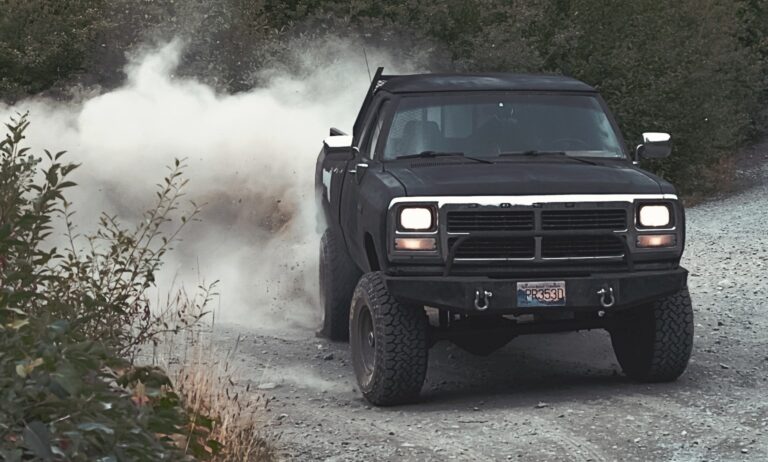
Serving as a conveyance for evacuation or bugging out, a prime mover for mass amounts of cargo or a taxi to get you and your group where you are needed, when you are needed, it is difficult to overstate the flexibility and freedom afforded to people who have their own ride.
And out of all the many vehicles you can own, I would argue that there are none so capable and so versatile in so many domains as the common pickup truck.
When it comes to towing or just hauling massive, bulky or heavy cargo, nothing beats a pickup truck among typical consumer vehicles. Most even have some off-road capability in the bargain for maximum mobility over any terrain.
For those of us who drive pickups, it is possible to turn them into a mobile store room capable of fulfilling all of your prepping objectives with the inclusion of some smart supplies, gear, and tools.
In this article, we will cover a list of 15 must-have items for vehicle everyday carry specifically for trucks.
Saturday, January 14, 2023
Friday, March 11, 2022
Small Vehicle Options For Hunting, Patrolling Your Property Or Bugging Out

Since the first time man attached the wheel onto an axle, I would wager he was already thinking about how this invention could help him travel faster and farther while carrying a bigger payload. Fast forward some 5,000 years, and not much about that thought process has really changed.
Pedal power
Turkey hunters have been doing it for years. Strap on a headlight, jump on a mountain bike, and ride deep into the woods where the road hunters never hear that ol’ tom hammering off the roost tree.
These days, new treads and trends in mountain-biking have more hunters strapping their guns and bows to them as they silently trek up the mountainside for elk in the backcountry. Added value — great cardio workout!
For outback treks, fat is where it’s at, and the Mongoose Juneau is a fat bike — a human-powered all-terrain vehicle built to take hunters and anglers far into the backcountry quickly and quietly with little to no impact on habitat. Its fat tires add traction in all-terrain conditions and float better on softer surfaces compared to traditional-width tires. Adding a bow/gun rack accessory is a big bonus for the long haul.
Going electric
Unless you’re living under a rock, you know that the invasion of the electric vehicle has made its way into deer camps and quail plantations. What started out as hopped-up golf carts, hauling hunters and shotguns down the groomed trails of gentlemen hunt clubs, have turned into serious off-road vehicles capable of covering rugged terrain while packing out an elk in its cargo box.
Silent, scent-free, and easy to maintain have been key attributes to the sale of two-, three- and four-wheel EVs. Battery technology has vastly improved over the years, with some units being able to cover up to 50 miles on a single charge. Just make sure you pay attention to this unless you have a very long extension cord!
Designed by a couple of hunters to help them cover more ground during elk season, the Addmotor MOTAN is not your average scooter. It’s a portable, Lithium battery-powered all-terrain vehicle with models capable of handling up to 310 pounds of rider and gear. Great for backcountry fishing or hunting farms, this might be the ticket to stealth. Just remember, this might not be for the balance impaired! The starting price is around $1,999.
The steel horse

Ever since man strapped a motor onto a bicycle, the road and horse trails have never been the same. It probably wasn’t too much later that sportsmen figured out a way to mount their favorite rifle or fishing pole across the handlebars or fender and journey deeper into the great unknown on their quest for a new hunting spot or fishing hole.
Today, not much has changed in that respect. Some purpose-built motorcycles can take you to regions that no other vehicles could ever think of going. Dual-purpose motorcycles are street-legal and are capable of transporting you and your gear from the highways to remote mountain regions with the twist of the throttle.
Accessories tailored specifically for these bikes allow you to pack in your tent, food, and even your bow or firearm. And if the hunting gods smile down on you, packing your game off the mountain is made much easier.
The world’s original and longest-producing manufacturer of all-wheel-drive motorcycles, Rokons have taken riders to places where no other vehicle can for more than 50 years. Rugged and lightweight, with wide tires and high ground clearance, Rokons deliver sure-footed traction and plenty of pulling power.
A wide range of accessories completes the Rokon’s unmatched versatility for work or recreational activities. Prices start at about $7,500.
Probably one of the most versatile and capable motorcycles built today, the Kawasaki KLR 650 has not changed much in nearly 20 years, and for good reasons. The road-worthiness of this bulletproof ride is only trumped by its off-road prowess.
If you have a knack for two wheels, this gas-sipping 650cc workhorse leaves over 200 miles of pavement or dirt behind you for 20 bucks. Think of how many trail cameras you’ll be able to check! MSRP $7,999.
Evolving rides
The evolution from the ATV (All-Terrain Vehicle) to the UTV (Utility Task or Terrain Vehicle) began when Kawasaki introduced the MULE in 1988.
Engineered as a more versatile utility ATV, this category has risen in popularity across the nation. SXS (side-by-side) models have been designed to handle heavy payloads for tending cattle on the farm or ranch to maximizing seating capacity for transporting friends and family to their outdoor adventures. The evolution continues.
UTVs for all of your off-road needs

The part of my job where I test drive off-road vehicles on hunting trips is a rough duty, but someone has to do it. I’ve had some truly great hunts in the fastest-growing segment of all-terrain vehicles: side-by-sides.
Sometimes called UTVs (utility all-terrain vehicles), these machines get there in style and comfort because of the seating arrangement where a passenger is in the seat beside the driver. They can go more places right out of the box than most highly modified and much more expensive trucks and SUVs.
Whether I’m driving them at a press event, where the manufacturers love to show off their capabilities, or I’m putting them to the test out here on the desert, deep woods, and dunes, these machines get my passenger and me there and back.
But it’s not just a matter of where they will go, it’s also about how you get there and back. A suspension that takes the harshness out of rough terrain is a high priority — so is who you take with you. It’s what gear you can take, it’s how many supplies and tools you can carry to do food plot work or how much game or camp firewood you can haul.
Game retrieval capabilities are a big plus for these all-terrain vehicles. Most can carry your biggest buck whole. More often than not, a buck or bull gets the last laugh by going down as far away from the road as possible. How nice it is to drive a machine right to him or at least get close enough to get a winch line on him. Any time I can avoid the arduous job of picking an animal out on foot makes the celebration that much sweeter.
Lean and mean
Compared to pickups, these machines simply fit down more trails. Where I hunt, Mother Nature is continually trying to take back our logging roads. Brush and small trees quickly encroach, so roads that fit logging trucks a few years earlier become a tight squeeze for much smaller vehicles.
With less interest by forest managers in maintaining minor spur roads, this tendency will continue to grow, and wedging in with smaller vehicles will be needed even more.
Throughout the country, tight roads and trails originally intended for horse traffic put small vehicles for hunting at a premium. Because these machines are dedicated off-road vehicles, the finishes hold up well to brush scrapes, and even if they get a bit scratched up, who cares?
That’s why you have them. In addition to the standard side-by-side sizes, which is around 60 inches wide, there are several models designed specifically to fit on trails intended for 48-inch wide quads. These 50-inch wide side-by-sides also fit in more truck beds and on trailers with ease.
Truck saver
While most of us don’t care about a few brush scrapes on our side-by-sides, we’re not so carefree with our expensive pickup trucks. I’m more likely to take my wife on a date in my truck than take it down a brushed-in road and scratch up the sides on a hunting trip.
Brush duty is for my ATM, which is the best tip I have for keeping your truck looking great. It’s not just the paint that the side-by-sides save. Mud, sand, ruts, and deep water can wreak havoc on the suspension, drivetrain, and electronics of daily drivers.
Plenty of our logging roads have hidden obstacles such as rocks and chunks of wood in that strip of vegetation that grows between the tire tracks. Running into one of these hidden dangers can ruin your whole day if it breaks a differential housing or bends a tie rod.
Most side-by-sides have excellent ground clearance and are well-protected underneath with full-length skid plates. Another bonus to saving your truck is saving your money. You no longer need to lift the suspension, spring for expensive taller wheels and tires, buy off-road shocks, or equip your truck with brush guards or winches.
Stock capabilities of side-by-sides are excellent, and upgrades are less expensive than for your truck. Save your truck, ride a UTV.
Turf saver

Not only can you save your truck, but you can also save the turf of your forests, fields, or hunt club property. I was impressed by the ground saving properties of side-by-sides a few years ago when hunting the Mississippi Delta in December. My guide, who is also a rice and soy-bean framer, told me we would be in for some very long hikes if not for the side-by-side we were using.
The soft turf conditions created by the winter rains made driving the dikes and fields in a pickup truck
impossible. The heavier weight of a truck soon has it sunk to the axles in these conditions. Even if the truck can get you there in these conditions, it will create ruts that will not be fun at all to maneuver when things dry out.
This can be particularly important when you are looking to renew a hunting lease. Tearing up roads, fences, and terrain is a good way to lose hunting privileges. Putting power to more wheels and spreading traction duties around can help save turf as well as pre-vent wheel spin. Side-by-sides have quick and easy controls over how the power is delivered.
Not only can the driver choose between 2WD and 4WD, but several models also offer diff locks and even turf saver mode where power is transferred to one wheel only for tight turns on sensitive turf areas.
Team transport
With plenty of models accommodating four hunters and some with capacities of up to six, side-by-sides can be useful for distributing a group of hunters to their stands or to get the whole crew and their tools out to the food plot or trail improvement project.
If you want to stay with a shorter wheelbase with front row seating only, opt for a bench seat, which can provide seating for three.
Taskmasters
Often the decision to buy a new truck is based on business as well as recreational considerations. Side-by-sides can be the same. They can be a great addition to the manufacturing facility, job site, ranch, farm, oil field, or mining operation.
All of the things that make these small vehicles good for hunting — small, light, nimble, sure-footed — can also make them a good fit for work. If one of these working machines finds its way out in the field for hunting, all the better, right?
If you’re looking for a side-by-side for food plot work, make sure it is a utility-grade vehicle rather than sport. Four-wheel drive with locking front diff for added traction can be helpful. Get the largest machine that will fit your trails and make the turns in your plot space.
Take your time before buying a small vehicle
Take your time when deciding which small vehicle to buy. I can tell you with confidence that all of the major brands are built with comparable quality, so what you are looking for is features that fit your hunting situation and, of course, that fit your hunting budget.
Monday, January 10, 2022
Thursday, November 18, 2021
Vehicle-borne Movement and Procedures – Team Tactics for Preppers
Vehicles are an integral part of many preppers’ survival plans for facing down an SHTF situation. Unfortunately, in that context most vehicles will only continue to function as they do in our normal day-to-day lives: as a taxi or a bus, taking us from point A to point B and nothing more.
While this is their intended function (and it sure will be nice if our bug-out or have other travel plans do indeed go down that smoothly), chances are most are not prepared to make the most of their personal vehicles, especially when using a vehicle or multiple vehicles as part of a team.
Friday, October 1, 2021
Tuesday, July 17, 2012
Stupid Mistakes and Jumper Cables
Original Article
 children. Because our car is on the small size and we were taking quite a bit of stuff for them, I had to make some extra room in the car. So I set aside a few things that I normally carry, including a set of jumper cables.
You guessed it; I had a dead battery on the trip and no jumper cables. Fortunately, I was able to get help and got started without any problem. A new battery and a set of jumper cables later my problem is solved. But it goes to show you always need to be careful.
If you don’t have a set of jumper cables and know how to use them, get a set and learn to use them now. My mistake was harmless, it just cost us a little time, but in a real emergency it could have been fatal.
Howard
Saturday, May 26, 2012
Has it Come to this Again?
Original Article

I remember the whole locking gas cap phase of the 70's when after surprising some teenager stealing gas out of my grandmothers Buick my father and grandfather supplied all the families cars with locking gas caps. I believe my hand-me-down car when I hit 16 still had one of these old relics until I finally got fed up with it and bought a non-locking replacement.
Or maybe that was the Oldsmobile I tore the oil pan off of? I forget.
Apparently over the weekend a couple of co-workers had a run in with gas thieves of their own and were lamenting their drained tanks which they discovered on their way into work this morning. My bet it was the same thief or group of them because the two live very close to one another.
With their complaints fresh in my mind I stumbled across this article this afternoon:
As Gas Prices top $4, Sonoma County fuel thefts Grow
Like we didn't all know that was coming.
We are almost to $4 a gallon here and this is much more of an economically depressed area so my bet is gas thefts are per capita are much higher, but as of today was the first time I have heard of gas thefts in years. Well other than the drive offs and such. Perhaps the station managers don't see it the way I do but I look on siphon thefts from private vehicles as sort of a greater sign of trouble than a few drive offs.
I did have a full gas can disappear out of my front lawn last Summer while I was at work which prompted me to build the battery and fuel addition to my workshop. Not that my locks would stop a determined thief but it may make them think twice.
Keep Prepping Everyone... And guard your fuel!!!!
Tuesday, March 6, 2012
Spokes for Survival - The Bug Out Bike
Original Article

Wednesday, November 30, 2011
Roof Racks for Your Bug Out Vehicle
Original Article
In the first chapter of Bug Out Vehicles and Shelters, I included some modifications and optional equipment to consider in preparing ordinary motor vehicles for bug-out duty. One of these modifications that is universally useful on every type of vehicle from the smallest compact cars to the most gargantuan trucks and SUVs is the addition of cargo or utility racks, particularly of the roof-top variety.Such racks can be the general purpose type such as those that are standard equipment on many SUVs and some crossovers, or the more specialized removable systems with purpose-designed components to hold and lock-down sports equipment such as skies, bicycles or kayaks. The removable systems such as those offered by manufacturers like Thule and Yakima can be purchased for practically any model or style of vehicle, but they can get pricy if you add all the specialized equipment carriers available for them. Factory-standard or optional racks can also work, but some of these are not rated to carry the loads you may want to carry, while the best of the removable systems are much stronger.
When fitted on smaller vehicles, roof racks free up passenger space inside by allowing you to securely strap your gear and supplies overhead, where it's out of the way. As a means of carrying back-up vehicles, like bikes, canoes or kayaks, or shelter building materials like poles or lumber, roof racks are invaluable, because even with a large pickup some of these items are awkward to carry securely. A good rack system can often eliminate the need to pull a trailer, which adds its own set of complications when bugging out of a SHTF scenario.
So what kind of rack is best for your vehicle? One of the most versatile systems I've ever used is this basic set of Thule cross bars that I've owned since 1988. I have been able to make these work on several vehicles I've owned over the years, from sedans to sports cars and pickup. These make carrying canoes or 17-foot sea kayaks such as this one easy - even with the smallest compact cars:

I've never bothered with the specialized cradles for kayaks and attachments for other gear, preferring to simply tie down my load directly to the bars, using padding if necessary to protect delicate items - which my kayaks are not - as I build them to use, not look at.
These simple crossbar racks are rated to carry 165lbs. That's more than most people will need to strap on top of a vehicle, but I've certainly pushed them over the limit hauling lumber, causing them to flex but with no failures so far. They are available in lengths from 50 to 96 inches, making them adaptable to a wide range of vehicles. The mounting systems are sold according to your vehicle, and range from old-style vehicles with rain gutters to the sleekest, aerodynamic roof profiles of today. The bars can also be fitted with adapters to make them work with the fore and aft roof rails that many vehicles come with, but without crossbars except as an expensive manufacturer's option. More information about the fitment of these racks can be found on the Thule website. Amazon stocks the load bars as well and most of the fitment options you might need.

Tuesday, November 29, 2011
Top Tips for Driving in Winter Storms
Original Article
 Almost anyone who has ever driven in the snow should be familiar with the queasy feeling you get when you try to stop and begin to skid towards a curb or car. Driving in snow is something that is best avoided, but often unavoidable at some point during the winter. As we approach the snow season, we felt that a few tips for safety on the roads would be helpful for all to review and be reminded of.
The best tip we can share is probably the most fun; find an empty, open parking lot after the first big snow of the year and spin some donuts! While this doesn’t sound like the type of thing you would tell your teenage driver to do, it can be very helpful to learn how your car handles in the snow. Learning how to spin the car and recover from spins is one of the best ways to be prepared while driving on the road. Still use caution while you are practicing and be aware of light poles, hidden objects, or curbs.
Now, when driving on icy or snowy roads, remember the following tips and best practices:
- Slow Down – Be very cognizant of your speeds on the road and keep three times the normal distance between you and the car in front of you.
- Brake Gently – Never slam on the brakes, if you can avoid it. If your wheels lock up, ease up on the brake
- Lights On – Make sure that you have your lights on so that others are aware of you
- Low Gears – Use the lower gears, they help to gain and keep traction, especially on hills or steep roads
- No Cruise Control – Don’t be lazy, it isn’t worth the risk.
- Stay Behind the Plows – Don’t pass in front of plows or sanding trucks. The drivers of these vehicles have limited visibility and the road in front of them is much worse than behind them.
- 4×4 Myth – Just because you have a 4×4 or AWD, you vehicle cannot handle all conditions. Be extremely careful thinking you can go anywhere or do anything in your big, off-road truck!
- Let Off the Gas – Take you foot off of the accelerator.
- Turn Into the Slide – If you are sliding left, turn left. As you recover, you may start to slide to the other side, so make sure that you know steer the new directions. You may go back and forth a couple of times before you can get back under control.
- Brake! – If you have standard brakes, gently pump them. If your car has anti-lock brakes (ABS), don’t pump the brakes. Apply steady pressure and realize that it is normal to feel the brakes pulse.
- Don’t Spin the Wheels – This only digs you in deeper and makes is harder to get out. Lightly touch on the gas and ease your way out.
- Turn the Wheels – Turn the wheels back and forth to get snow out of the way. Also, consider using a shovel to dig out some of the snow.
- Rock the Boat – Sometimes, it can help to rock back and forth to gain a little momentum.
- Sand the Ground – A little sand, gravel, salt, even kitty litter, can help your wheels gain some traction.
Sunday, November 27, 2011
Best Tire Air Compressor Pump
I've got a very similar model by the same maker. Highly recommended.
Bax
--------------------------------------------------------
Original Article

Several years ago I purchased what I believed to be the best 12-volt tire air compressor pump for-the-money on the market. Today, I still believe it to be true. It is the Q Industries MV50 SuperFlow Hi-Volume Air Compressor
 .
Yesterday I had the opportunity to use it once again, and I realized that this handy ‘tool’ is another one of those ‘good-to-have’ survival preparedness prep items in one’s arsenal.
Tires leak air. Period. Over time, all tires will require more air. Keeping tires properly inflated is more important than many people realize, particularly when it has to do with trailer tires.
If you own, rent, or borrow a cargo trailer or travel trailer, you better pay attention to the tire pressure – particularly if you are loading it above 50 percent capacity. All tires are rated as to how much weight they can safely carry, and these ratings are based on their maximum tire pressure. Anything less will drastically reduce their carrying capacity and will become dangerous if they are overloaded.
So, back to the 12-volt air compressor…
First, the fact that the compressor runs on 12-volts means that its power will come from your vehicle’s battery. Ordinary battery ‘alligator’ clamps at the end of the power cable makes it easy to clip on to your battery terminals. The pump draws 30 amps at full power, and is powerful.
Second, the fact that this compressor is ‘high-volume’ means that it is strong enough to pump higher pressures than are required for a typical car tire. A ST (Special Trailer) tire of load-range D (2,540 pounds carrying capacity) will require 65 psi of air pressure. Load-range E trailer tires (2,910 pounds carrying capacity) will require 80 psi of air. Your run-of-the-mill cheap air compressor will not come close to reaching these capacities on such a tire.
Third, this compressor is compact, stores easily, and has a long 16-foot detachable air hose to reach the tires.
Here’s a scenario you may not have thought about… If you ever get a flat tire, will you be in trouble when you realize that your spare tire is very low on air? If you have a portable 12-volt air compressor – you will be all set.
I’ve used this compressor for years while topping off my vehicle’s tires, my boat trailer tires, and my cargo trailer tires. In my opinion, it is a ‘must have’, to be kept in your tow vehicle or passenger car at all times.
Be prepared.
Accutire MS-4355B Programmable Tire Gauge

I also keep a product similar to this one in the trunk, for emergencies…
Slime 10011 Tubeless Automotive Tire Sealant – 16 oz.

If you enjoyed this, or topics of current events risk awareness or survival preparedness,
click here to check out our current homepage articles…
Similar Articles You Might Enjoy:
Sunday, November 20, 2011
Plugging a Flat Tire
Original Article

Learning to Plug a Tire
Repairing a Tire
 Step 1. Find the puncture. The obvious first step in repairing a flat tire is to find the cause of the flat. Most flat tires are caused by objects picked up on the road. These are frequently nails and screws, but can also be other object such as bones and files. The easiest way to locate the puncture is to remove the tire from the vehicle and slowly roll it on the ground looking for the cause of the flat. Sometimes this is obvious and easy to find. Occasionally, the nail or screw is imbedded in a valley of the tread and difficult to locate.
 Step 3. Ream the hole. Insert the repair kit’s Rasping Tool in the hole left by the nail or screw. You may find that it’s easier to do this if you allow some of the compressed our to leak out of the hole before trying to insert the rasping tool. Additionally some punctures may have been made by objects with a very small diameter compared to the rasping tool. So this can take some strength and patience.
 Step 4. Plug the hole. Once the hole has been reamed with the rasping tool, it’s time to plug it. Insert the plug (the very sticky tar-like strip) into the the eyelet of the insertion tool. The plug should be approximately 1/2 through the eyelet.
 Step 6. Check the plug. Finally, once you’ve inflated the tire, you can check it for slow leaks. The easiest way to do this is to put a little dish washing soap in a cup of water so that it bubbles up. Apply the bubbles to the top of the plug and watch. If the bubbles grow in size, you’ve got a leak, if not you’ve got a good solid plug.
A Skill for Now and after TEOTWAWKI
Related Posts
Friday, October 14, 2011
Simple Survival Tools - The Tire Pressure Gauge
Original Article


Wednesday, October 12, 2011
Vehicle Jacks, Spare Wheels & Wheel Braces
 Image via Wikipedia
Original Article
http://preppersuk.freeforums.org
Have you noticed just how badly located many spare wheels are located on our vehicles and also how utterly useless the standard vehicle jack is, very often the OE jack can only be used on one specific spot on each corner of the vehicle, that’s no good if that spot is sited over a rock or soft ground when you get a puncture.
One thing I always try to do to my vehicles is to relocate the spare wheel if it’s stored UNDER the vehicle, I either bonnet, roof or tailgate mount it, or even leave it inside the vehicle. I'm sick of having to crawl under the vehicle to unwind the securing bolt in the pouring rain, then trying to drag the blasted thing out from underneath the vehicle.
I also very often scrap the OE Jack and replace it with one with a wider base so it works on soft ground (stops the jack sinking in) and one that will go under the vehicle easily and lift in multiple locations on the body or suspension, rather than many OE jacks that can only lift in specific locations on the vehicle body. You can compromise by welding a bigger steel footplate to the bottom of your OE jack.
At the very least you need an extra foot plate made from steel or thick timber to be kept with your jack, 12x12 or 18 x 18 inches.
Some folks now use AIR jacks which are basically a re-enforced neoprene bag you push under the car and inflated it via a compressor ran from the cigar lighter socket, or from a 3 litre diver’s bottle.
I have also noticed in their mad dash to make vehicles as light as possible that the manufacturers are now making the wheel brace for undoing the wheel nuts very short indeed, often requiring someone with super human strength or a piece of scaffolding pipe to free off tight wheel nuts. I strongly recommend you get hold of a chrome steel extending wheel brace, they are only about £15 and also double up nicely as a defensive weapon.
Don’t forget in a real Bug Out situation the spare wheel, jack and brace need to be very easily accessible so you can change a wheel quickly and get going again ASAP, Having to unload the BOV to get at the spare is definitely bad practise to be avoided at all costs.
Also if you are likely to be sleeping overnight in the vehicle in a BO situation and end up parking off the highway it is well worth keeping four pieces of 13 or 19 mm plywood at least 18 inches x 12 inches to park the vehicle on during the stopover, this will help prevent your vehicle sinking into soft ground overnight and getting stuck. The bigger the vehicle and heavier the load the bigger the boards need to be.

Sunday, October 2, 2011
How To Escape From A Sinking Car
Original Article

Hopefully you will never have to actually escape from a sinking car, but, if you are ever in that unfortunate situation, this is how you do it…
Although it may go against your reflex, immediately open your window as soon as you can, after you hit the water. Your best chance to get out of the car will be through the window because the door will be very difficult to open due to the water pressure against the door, even if the car is somewhat floating.
If the car is floating, get out through the window as fast as you can. If the water is rushing in, don’t panic (easier said than done, I’m sure). The thing is, you won’t be able to get out through the window while the water is rushing in, however, you may still have air until the car fills up. As soon as the car fills with water, you will be able to easily swim out. The door should open once the car is full of water, although it will require more effort than is normal.
If the power windows are not functioning, you must break the glass. It’s easier to break a car window if you strike it with something hard, at a corner rather than the center. Use your feet if nothing is available.
The best chance for escape is while the car is still floating, which may only be a few seconds or even up to a minute or two depending on the car. Once it begins sinking, it may descend steeply or even turn over on its roof. The sooner you get out, the better.
In the worst case, if you cannot open or break the window, wait until the car fills with water. As the water fills, take a deep breath, and as soon as the pressure is equalized between inside and outside, you should be able to open the door. If you know that the door on your side has been damaged, move to another door.
Well, there you have it. It sounds simple enough, but I’ll bet that the key to this survival situation would be not to panic!
Update,
Over on the Facebook site, someone had a great suggestion… Google on ‘glass breaking hammer‘, and keep one of those in your vehicle’s glove box.
If you enjoyed this, or topics of current events risk awareness or survival preparedness,
check out our current homepage articles…
Similar Articles You Might Enjoy:
Sunday, August 21, 2011
Quick Car Maintenance
Original Article

“In less enlightened times, the best way to impress women was to own a hot car. But women wised up and realized it was better to buy their own hot cars so they wouldn't have to ride around with jerks.”StumbleUpon.com offers Finances in 55 Seconds: Quick Car Maintenance, six ideas for your car that take less than a minute each.
-Scott Adams
- Do a quick de-clutter: Grab a bag and remove all the trash in your car. You may want a second bag for all the clutter that has accumulated.
- Check the fluids and top them off: Regularly check your fluids and top them off as needed.
- Look for leaks: Take a few seconds to look under the car for leaks. You can save yourself greater costs and aggravation if you take care of issues now.
- Check your tires: Properly inflated tires can be helpful as you work on improving your fuel efficiency. Check and "fill-up" all four tires. While you at it, look also for cuts, bulges and tread depth.
- Check filters: If you have the know-how, you can quickly check your own filters, and possibly even change them.
- Check lights: With a friend you can quickly check your light bulbs on brake lights, as well as your turning signal and head lamps. Change all burnt out lights.
Check your car at least monthly for the items above. The total time is only a few minutes.


Saturday, August 13, 2011
A Survival Kit To Keep Your Car Going
Original Article

While many offer opinions about survival kits to be kept in your vehicle, tailored towards keeping you, the human, going… here is a twist on that thought while considering keeping your CAR going.
A survival kit to help keep your car keep going (except after an EMP event), may include some of the following 25 items stored in your vehicle (in no particular order). The list is intended to give you ideas while at the same time knowing that there is no perfect list.
1. Extra Motor oil. At least 2 quarts to keep your engine from suffering damage if the oil becomes too low. Cars, especially older cars, will burn some oil due to natural engine wear, and eventually will require a top-off.
2. Radiator fluid and distilled water. Enough to completely fill up your radiator at least once. Regular water will damage your radiator.
3. Extra fuses. At least 3 each of all proper amperage that your fuse panel needs. Cannot emphasize just how important fuses are to have on hand. Your vehicle’s electronic parts such as the starter, fuel pump, and others must have workable fuses to operate. Having said that though, often times when a fuse blows, it is the result of a short or failure – inserting a new fuse may simply blow again (it’s worth a try though).
4. Portable battery starter. (Also, jumper cables) There may not be anyone around to recharge your battery if it goes dead. You will go nowhere if you cannot start your car somewhere.
5. Standard spare tire. Even two if there is room. Those doughnut tires are okay to get you short distance at reduced speeds, but having an actual standard size tire or tires ready to go is so much better. Tire places will likely have the rim and tire for a spare for you to purchase.
6. Tire air compressor pump. Those that you can plug into the 12 volt cigarette lighter outlet. Many times a flat tire simply needs air and then it is fine. Sometimes you can pump up a slow leaking tire and still get where you are going before it becomes too serious to drive on. Include a tire gauge with this to make sure you get the right air pressure.
7. Good tire jack and wrench. Those jacks and wrenches to change tires that comes stock with the car, borders on junk. A good tire wrench (a 4-way) and or a torque wrench to make sure the lug nuts are not too tight is invaluable (lug nuts that are too tight or uneven will warp the brake rotors). Being able to safely raise up your vehicle on possibly uneven surfaces will also be appreciated. Throw in at least a couple of extra lug nuts in case some of them get stripped when you are taking them off.
8. Gloves for your hands, making repair easier and faster. Also things like cushions, blankets, hats with lights on them, etc. Anything that will help with the repairs and keep you comfortable and protected.
9. Windshield wiper fluid and spare windshield wiper blades. Seeing where you are going is necessary. There are so many people that still run out of windshield cleaner miles from nowhere and have to drive under vision impairment because of bugs, mud, whatever.
10. Extra fuel filter. Too often your poor car gets bad fuel and the fuel filter clogs up and your vehicle stalls or stops dead. Excellent precaution to have in your kit.
11. Necessary auto fluids. Power steering fluid, brake fluid, automatic transmission or clutch fluid, stop leak, fuel stabilizer, etc. Usually in smaller containers that won’t take up too much space.
12. Fit it sealer. Many pin size holes in hoses or elsewhere can be temporarily patched long enough to get where you are going. Duct tape often works around hoses too.
13. Small car tool kit. Make sure that the tools fit the right sizes to do minor repairs on the car.
14. Good sturdy thick clear plastic and duct tape. If one of your windows is knocked out for any numerous reasons, you can use plastic and tape to keep the outside air and elements such as rain or snow out of your car and still see out.
15. Quality LED flashlight with extra batteries. At night you must be able to see to do any repairs, a bright dependable flashlight is a must.
16. Extra gasoline. ABSOLUTE SAFETY FIRST! Store only in approved containers remembering how flammable and dangerous gasoline is. Avoid ever storing gasoline in car under hot conditions. Even one gallon of gasoline can take your car the distance it would take you 6 or more hours to walk, so extra gasoline is a consideration to add to your kit. Just be careful with it.
17. Bulbs. Your car’s lighting system matters. In regular times if the
police stop you for a burned out brake light or something, being able to replace the light bulb right there can save you the hassle of a fix it ticket. Keep an extra set of headlight replacement bulbs. You need to see where you’re going at night!
18. Chain or very strong tow rope. Someone may have to pull your car out of somewhere, or you may have to help someone else.
19. Camouflage car cover. This sounds crazy, but after a national crisis you may not want everyone to know you have an operating car that is parked somewhere. During the daytime and at night, any light reflecting off your car’s shining ares can be seen for many miles.
20. Traction for your vehicle. Tire chains and cables are not only for snow and ice, they work in muddy conditions also. Not a bad idea either to have a bag of sand or gravel for getting out of a stuck spot.
21. Small durable shovel. To dig your car’s tires out of somewhere, also many other uses.
22. Small fire extinguisher. Putting out a fire rapidly anywhere in your car can save your car, and what could be your only form of transportation.
23. Money hidden somewhere in the car. Even after a disaster someone might repair your car if you can pay them cash. Don’t depend on any credit card.
24. ‘How-to’ fix your car book. Owner’s manuals offer little information, but using a book written by mechanics can make diagnosing and fixing a problem long distances from any help much more possible. Try to get a fix-it book that is specifically for you model, make, and year of your car if you can.
25. Spray engine cleaner and spray oil. De-greasers make seeing what you are doing so much easier. WD-40 has so many uses from make something looser to helping clean off an area. Also include some paper towels and rags in your kit to help wipe off areas and your hands.
Oh, here’s another… serpentine belt (and/or any belt that your car uses) – most cars these days have a single belt that goes around all of the pulleys. If this breaks, you won’t get much farther down the road. Even if you don’t know how to replace it yourself, a mechanic could, and having one with you could save many hours or days for a mechanic to get or order what you need.
Go to your local auto store and say to yourself what could my car need to keep it going and get me to safety if there are no parts and equipment there for me to purchase. Be generous to your car, you might need your car to survive.
Thanks to an email from ‘Be informed’ for the basis of this post.
If you enjoyed this, or topics of survival preparedness or current events risk awareness,
check out our current homepage articles…
Modern Survival Blog related posts
- 72-hour-kit, Vehicle, Food Storage
- Earthquake Survival Kit 101
- Prepper’s New Years Resolutions
- UK Motorists suffering Heavy Snow, Icy Roads
- Survival Kit Sleeping Bag
Incoming search terms:
- cars engine oils
- modern cars blog
- night shift survival kit