Whenever something goes badly wrong, it isn’t long before looters show up to exploit the situation. Natural disasters, civil unrest, political protests – you name it, someone’s going to use it as an excuse to start stealing. And if looting breaks out during local disturbances, just imagine how bad it’s going to be after a […]
If you spend a lot of time in the city, it’s easy to think that survival gear is only for the backcountry. But in a real emergency, having the right tools on hand can make all the difference. A small, well-thought-out kit can help you handle minor injuries, start a fire, navigate, or even catch food if you have to.
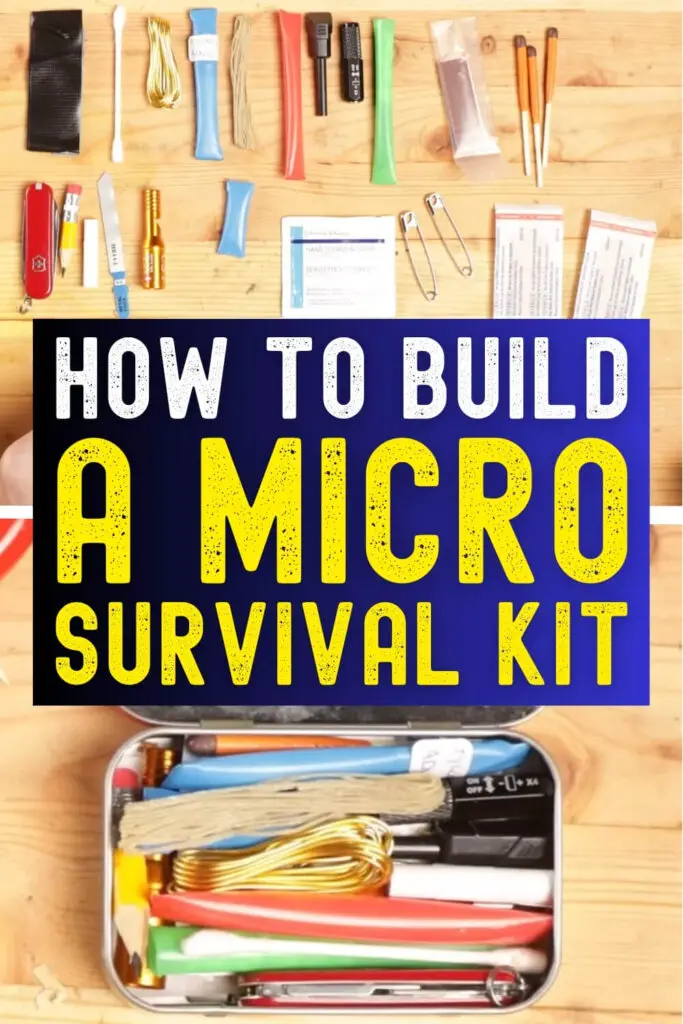
That’s why I love this idea from the YouTube channel Wranglerstar. It's a complete multi-purpose survival kit that fits inside an Altoids tin. It’s small enough to keep in your pocket or glove compartment, yet packed with tools for first aid, fire starting, repairs, and even fishing. Here's the video (keep scrolling down for written instructions):
What You’ll Need
Container:
1 Altoids tin (or similar metal pocket tin)
First Aid:
2 Advil tablets
2 Tylenol tablets
1 alcohol cleansing pad
2 adhesive bandages
Small packet of antibiotic ointment (see straw trick below)
Tools & Miscellaneous:
Victorinox Cadet (or similar small multi-tool) with blade, file, scissors, tweezers, and toothpick
Mini hacksaw blade (bi-metal preferred)
Heavy-duty upholstery needle (straight)
Curved upholstery needle
Small roll of waxed linen thread
Small roll of duct tape
Small length of thin wire
Flat survival tool (with can opener, scraper, or small blade)
Safety pins (2–3)
Whistle
Pencil stub and small scroll of paper
Fire Starting:
Small ferro rod
Stormproof matches (3) with striker
Petroleum jelly–soaked cotton balls (see instructions below)
Fishing Kit:
2 small Eagle Claw egg hooks (pre-tied with leaders)
Small split shot sinkers (6–7)
Miniature bait (e.g., a piece of marshmallow)
All stored inside a sealed straw section
Of course, you can't just get all these items and cram them into the tin. In order for everything to fit, you need to take the following steps.
Step-by-Step Assembly
Step 1: Use the Straw Trick for Tiny Waterproof Containers
Cut a plastic drinking straw to the desired length.
Use pliers to crimp one end and melt it briefly with a lighter to seal it.
Fill the straw with small items like:
Antibiotic ointment
Fishing kit (hooks, sinkers, leader line, bait)
Fire starter (petroleum jelly–soaked cotton)
Crimp and melt the other end to seal. This keeps contents waterproof and organized.
Step 2: Make the Fire Starters
Melt a small amount of petroleum jelly in a tin can over low heat.
Drop cotton balls into the melted jelly until fully saturated.
Remove and let cool before sealing them in straw containers.
These burn hot and long, making fire starting easier in bad conditions.
Step 3: Organize First Aid Supplies
Use the straw trick for ointment.
Wrap pills in small plastic or foil for protection.
Keep bandages flat against the tin’s lid to save space.
Step 4: Add Tools
Place the multi-tool inside, making sure it fits flat.
Tuck the hacksaw blade along the inside wall.
Add upholstery needles and waxed thread for repairs or sutures.
Wrap duct tape around a flat object or itself to save space.
Step 5: Pack the Fishing Kit
In a straw container, store:
2 small hooks (with leaders)
6–7 split shot sinkers
Small bait (marshmallow chunk or similar)
Step 6: Include Signaling & Navigation Items
Add a whistle for emergencies.
Include a small pencil stub and rolled paper for leaving notes.
Step 7: Final Assembly
Fit all items into the Altoids tin in layers, keeping bulkier pieces on the bottom.
Close securely — a rubber band or ranger band around the tin can keep it from opening accidentally.
Why This Works
This kit covers the three most important survival needs in a compact space:
First Aid – Handle minor injuries and prevent infection.
You can keep one in your pocket, glove box, or backpack, and it’s especially valuable for urban dwellers who might not normally carry survival gear but still want to be prepared for the unexpected.
Today, I’m sharing 11 essential items to have in your pantry. Sometimes, we need to see lists repeatedly before saying, “Oh my gosh, I forgot that one.” Knowing which items to buy can be helpful if you want to stock your pantry with essentials. However, if you’re unsure what to put in your pantry, check out this list of the 11 essential items you need to prepare various meals for yourself and your loved ones.
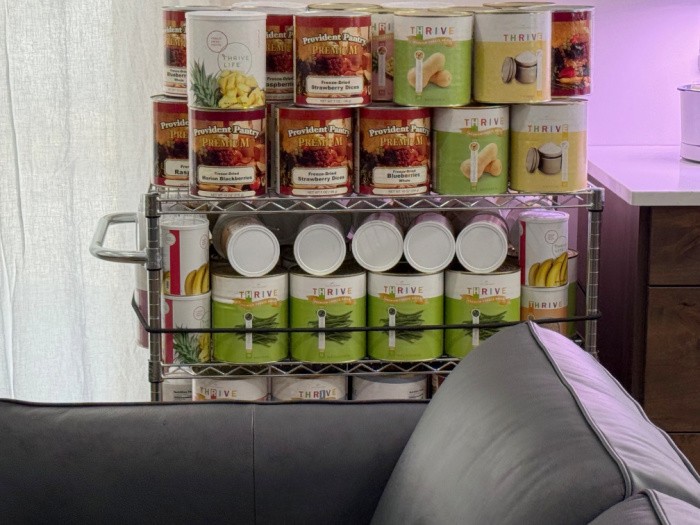
Update: We’ve moved into our new house, and since it’s smaller than our last one, I’m scrambling to find a spot for all my belongings, particularly in the kitchen. I have one of my 40-inch-tall, 36-inch-wide, and 18-inch-deep rolling racks in the living room/kitchen area. You know, where you watch TV, eating popcorn with food storage next to the couch (see picture)? It’s no big deal. I have to laugh because the food means more to me than decorations. That’s how I roll, literally.
11 Items Needed In Your Pantry
1. Pasta
Always keep pasta in your pantry, as you never know when you might need it to complete a meal or even make a quick pasta salad. You can buy different types of pasta, including spaghetti, fettuccine, macaroni, rotini, and more. It’s always good to have a versatile selection of pasta in the pantry. Don’t forget that you can also make homemade soups and add pasta to them, complete with meat, vegetables, and seasonings.
One of the things I like about pasta is how far a package goes. You take a handful of spaghetti and cook it for dinner, and it feels like you could feed the neighborhood—a very cost-effective item for your pantry.
2. Seasonings
Be sure to select a variety of seasonings that will enhance the flavor of your food. Some of the best herbs include pepper, garlic powder, seasoning salt, cayenne pepper, cajun seasoning, and garlic salt. Then, you can grab what you like to use on your favorite foods. Even if you’re on a budget, you can find most spices at low prices if you check store ads and are willing to try your favorite store’s brand name. Another place to check for special deals is at the dollar store.
3. Chicken, Beef, and Vegetable Bouillon Cubes
Buy some chicken bouillon cubes and keep them in the pantry for use in various meals. For example, toss them in boiling water to prepare the chicken broth for soups and other meals. Please add them to a pot with rice to enhance the flavor, and use them in other meals to elevate the flavor to the next level.
Once you start using chicken bouillon cubes in your cooking, you won’t want to go back to those old bland meals of times past. Chicken Bouillon Cubes.
And don’t forget beef and vegetable bouillon cubes. They add a great deal of flavor to many meals.
4. Canned Vegetables
Collect canned vegetables on sale and then keep them in the pantry. Then, you can serve heated canned vegetables as a side dish with some of your favorite foods, including chicken, pork chops, turkey breast, and meatloaf. The last few times I’ve been to several local grocery stores, they’ve all had full-scale case goods sales. Please take advantage of them NOW.
While canned vegetables may not have the fresh taste of fresh vegetables, they’re still delicious and nutritious. To ensure you have something healthy and flavorful to put on your plate, consider adding canned peas, carrots, beets, green beans, and more.
It’s always beneficial to buy boxed cake mixes on sale and keep them in your pantry, as you never know when you’ll need to make a cake in a hurry. If your kids are in the mood for something sweet or someone’s birthday is approaching, you have the cake mix ready to go, and you can prepare a delicious dessert easily by following the box instructions.
However, you can also mix the boxed cake with minimal ingredients, such as one can of your favorite soda. It tastes good and is perfect for a pinch when you don’t have eggs or milk for the batter. Or use your dehydrated eggs and instant milk.
October is a month when my favorite Duncan Hines brand of cake mixes is typically on sale for $2.00, two for the price of one. They only do it once a year, so I like to buy 12 boxes to get me through months of special holidays, birthdays, or other events calling for a cake.
6. Beans
Start stocking your pantry with various types of beans, such as black beans, pinto beans, and red kidney beans. You can prepare side dishes with them, add them to rice, and incorporate them into various recipes, such as slow cooker meals and casseroles. Beans are good for you, containing essential vitamins and nutrients that can improve health. Most varieties of beans are also a great source of protein.
7. Peanut Butter
As long as no one in the household has a peanut allergy, it’s good to have a peanut butter container in the pantry. It’s great for making quick peanut butter and jelly sandwiches, but it can also be used in many other recipes.
For example, peanut butter is an excellent ingredient for making homemade cookies or cakes, adding that distinctive peanut butter taste to these baked treats. It’s also great to spread on crackers or serve with fruit and veggies.
Who doesn’t love peanut butter and jelly/jam sandwiches, right? Harry freezes his in bags and removes the sir before he places his jars in the freezer. One more
8. Canned Tomatoes
Don’t forget about canned tomatoes! The canned tomatoes are fantastic in the pantry because you can add them to soups and stews to enhance the flavor. There are different variations of canned tomatoes, including stewed and diced options. In addition, canned tomatoes are typically inexpensive.
9. Hot Sauce/Salsa
If you like a little spice in your food, consider buying your favorite hot sauce or salsa and keeping it stocked in your pantry. Then, you can add it to nearly anything, such as fried chicken, rice, tacos, and other flavorful foods, to easily enhance the flavor and the “heat” of your food.
10. Brown Rice
Be sure to buy brown rice and store it in a container in your pantry. You can make traditional brown rice or prepare variations by adding ingredients and spices, such as vegetables, soy sauce, garlic powder, and more.
Brown rice is a great side dish to serve with vegetables, meat, or fish, such as chicken, salmon, flounder, and pork. But, of course, you don’t need to eat meat with it. You can even add it to homemade burritos to make them more fulfilling if you’d like.
Remember, brown rice has a relatively short shelf life due to the oil in the bran layer, typically lasting only about six months. I would store it in the freezer.
11. Flour
Finally, flour is one of the most important staples of all time to have in your pantry. You can do so much with flour, such as preparing pancakes, making waffles, coating chicken before frying it, making a cake from scratch, and so much more.
It’s a valuable ingredient for making homemade gravy or thickening up some of your favorite soups. Because many recipes require a bit of flour, you can’t go wrong with having it in your house. I prefer bread flour and use it in most of my recipes that call for flour. I enjoy making homemade bread, so having bread flour in the pantry is natural for me; however, I also use it in other flour-based recipes.
Final Word
When you plan to stock up on the essentials and add them to your pantry, these are the 11 items you need. Of course, you don’t have to rush out to the store and buy them all at once, but consider purchasing these items when you can find them on sale to get the best price.
When you have these staples in your closet, you have what you need to make all kinds of meals for yourself and your loved ones. Additionally, you’re likely to have all the necessary ingredients when following various recipes. May God bless this world, Linda
Copyright Images: Spaghetti and Rice Depositphotos_216187588_s-2019
When preppers brag about their setups, they talk about guns, water filters, bug-out bags, and stockpiles of beans. Fine, all good. But here’s the reality check: your stash will run out. Your ammo box will empty. Your garden won’t feed you if it doesn’t grow. And there’s one skill that almost nobody talks about, yet […]
Protein is an essential survival fuel when massive supply chain problems, natural disasters, and other SHTF scenarios strike. Protein keeps your muscles strong, your mind sharp, and your immune system ready, and ensures that young people are growing properly. Stocking shelf-stable sources now, during normal times, can mean the difference between thriving and wasting away […]