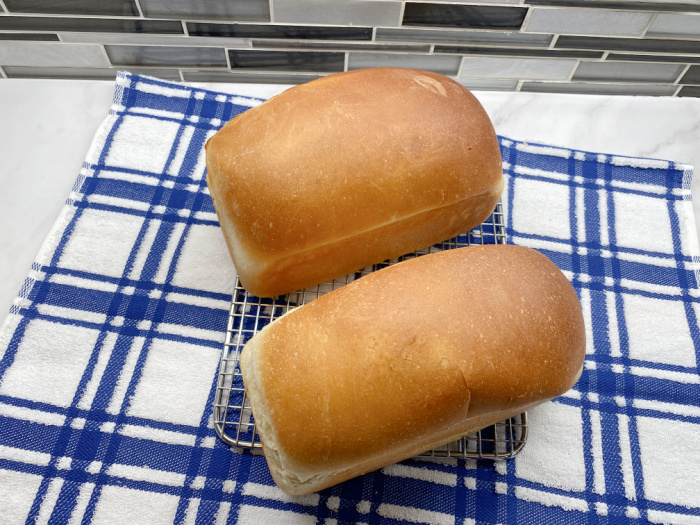
Why it’s important to know how to cook from scratch. If you’ve ever stood in a grocery store aisle staring at a half-empty shelf, you already understand why knowing how to cook from scratch is one of the most valuable skills a family can have. Food prices continue to climb, store supplies are less reliable than they once were, and the families who know how to work with basic ingredients are the ones who’ll stay fed, healthy, and calm when times get uncertain. Cooking from scratch isn’t just a nostalgic idea or a hobby for homesteaders. It is a practical, money-saving, life-sustaining skill that every household needs right now.
Kitchen Items You Need
- Slow Cooker
- Soup Pot
- Rice Cooker
- Danish Whisk
- Can Openers, Hand Crank, and Electric
- Mixing Bowls
- BreadMaker
- Dicorain Food Sealer
- Frying Pan
What Does It Mean To Cook From Scratch?
Cooking from scratch means preparing meals using whole, basic ingredients rather than relying on pre-packaged or processed foods. It means knowing how to turn flour, water, yeast, and salt into a loaf of bread. It means making soup from dried beans and vegetables rather than opening a can. It means understanding how to season, combine, and cook real food so that your family is nourished, no matter what the grocery store looks like that week.
This skill was considered basic knowledge for most of human history. Our grandmothers and great-grandmothers didn’t think twice about baking bread, canning vegetables, or cooking dried beans from the pantry. Somewhere along the way, convenience culture pulled many families away from the kitchen. Today, that knowledge gap is leaving households vulnerable in ways that are becoming harder to ignore.
Why Food Costs Keep Rising
Inflation, supply chain disruptions, fuel costs, and weather events affecting crops have all pushed food prices higher over the past several years. What cost a family a certain amount at the grocery store three years ago can cost significantly more today, and there’s little sign that prices will come down any time soon.
Families who rely heavily on processed foods, takeout, and restaurant meals feel this pressure the most. A frozen dinner, a bag of pre-seasoned meal kits, or a trip through a drive-through adds up quickly. When you learn to cook from scratch, your grocery dollar stretches much further. A five-pound bag of flour, a canister of oats, dried lentils, rice, canned tomatoes, and a few basic spices can feed a family for days at a fraction of the cost of convenience foods.
Understanding how to cook from scratch also means you can take advantage of sales and bulk buying. When chicken is on sale, you buy more and know how to use it in multiple meals. When potatoes are cheap, you know how to make them into soups, casseroles, and side dishes. This kind of flexibility gives your household a financial advantage that’s hard to quantify.
The Reality of Grocery Store Shortages
Many families got a firsthand lesson in shelf scarcity during the pandemic years and have continued to see gaps on store shelves since then. Supply chain issues, weather disruptions, labor shortages, and transportation delays can clear out sections of the grocery store without much warning. Families who depend entirely on what’s available at the store on any given day are at the mercy of forces entirely outside their control.
When you know how to cook from scratch and keep a stocked pantry of basic ingredients, a sparse store shelf becomes an inconvenience rather than a crisis. Flour, sugar, salt, cooking oil, dried beans, rice, pasta, canned goods, and baking staples are shelf-stable, affordable, and available in bulk. A pantry built around these fundamentals can carry a family through weeks or even months of uncertainty without panic.
Scratch cooking also means you can improvise. If the store is out of bread, you bake it. If canned soup is gone, you make your own from dried beans and broth. This kind of resourcefulness isn’t old-fashioned. It is resilience.
Learn To Make Bread At Home
Bread is one of the most foundational skills in scratch cooking, and it’s far more approachable than many people assume. A simple homemade loaf requires only a handful of ingredients and rewards you with something that tastes far better than most store-bought bread, while costing a fraction of the price.
Basic bread recipes typically call for flour, water, yeast, salt, and a little sugar or oil. Once you understand the process of mixing, kneading, letting the dough rise, and baking, you can adapt that knowledge to make sandwich loaves, rolls, pizza dough, flatbreads, and more. Sourdough bread, which relies on a naturally fermented starter rather than commercial yeast, is an especially valuable skill because it requires no store-bought yeast at all. My friend, Melissa Richardson, wrote this book, “The Art of Baking With Natural Yeast.”
Learning to make bread also gives you confidence in the kitchen. When you see how simple it is to turn basic pantry staples into a warm, nourishing loaf, you begin to see other recipes through a different lens. If I can make bread, what else can I make from scratch? That question opens a door to a much stronger, more self-sufficient household.
How Eating At Home Saves Your Family Money
The numbers are stark. Even a simple fast-food meal for a family of four can easily cost $40 to $80 or more. A sit-down restaurant meal costs considerably more. Cooking at home, especially from scratch, can feed that same family for a fraction of that cost.
Scratch cooking at home allows you to control your ingredients, avoid the markups of convenience and restaurant pricing, and prepare larger quantities that stretch into leftovers. A pot of homemade soup, a pan of roasted vegetables and chicken, or a batch of whole-grain muffins feeds a family well and costs very little compared to any alternative outside the home.
Beyond the immediate savings, cooking at home builds habits that compound over time. Families who regularly cook and eat together tend to waste less food, shop more intentionally, and incur lower food costs across the board. The skill pays dividends not just this week, but every week going forward.
Building A Scratch Cooking Pantry
Getting started with scratch cooking doesn’t require a complete overhaul of your kitchen overnight. It begins with stocking a basic pantry of versatile, shelf-stable ingredients that can form the foundation of dozens of meals. These are the items worth keeping on hand.
All-purpose flour and whole wheat flour are essential for breads, biscuits, pancakes, muffins, thickening sauces, and coating proteins for cooking. Sugar, salt, baking powder, and baking soda round out your baking basics and cost very little. Cooking oils, vinegar, and a well-stocked spice cabinet allow you to season and build flavor in almost any dish.
Dried beans, lentils, and split peas are among the most affordable and nutritious foods available. They can be stored for years when kept cool and dry, and cooked into soups, stews, dips, and side dishes. Rice, oats, pasta, and cornmeal are equally versatile and inexpensive. Canned tomatoes, broth, and coconut milk serve as building blocks for countless recipes.
Eggs, butter, and dairy products round out a scratch cooking pantry beautifully. These ingredients appear in everything from breakfast dishes to baked goods to savory mains.
Simple Scratch Recipes To Start With
If you’re new to cooking from scratch, there’s no need to begin with complex techniques. Start with recipes that use only a few ingredients and teach you transferable skills.
Homemade bread or biscuits will teach you how to work with dough and understand how heat transforms simple ingredients. A pot of dried bean soup will show you how to build a nourishing, flavorful meal from nearly nothing. A simple vinaigrette made from oil, vinegar, salt, and a little mustard replaces a bottle of store-bought dressing at a fraction of the cost. Scrambled eggs, roasted vegetables, and a pot of oatmeal are all examples of scratch cooking at its simplest and most satisfying.
As your confidence grows, so will your repertoire. You’ll find yourself reaching less for packaged shortcuts and more for the ingredients you know how to use. That shift is both empowering and deeply practical.
Passing This Skill To Your Children
One of the most meaningful things you can do for your children is teach them how to cook from scratch. Children who learn to cook grow into adults who can feed themselves and their families well, regardless of their income or circumstances. They learn patience, creativity, and the satisfaction of making something nourishing with their own hands.
Invite your children into the kitchen. Let them measure flour, stir batter, and watch dough rise. Let them crack eggs, peel potatoes, and taste as they go. These aren’t just cooking lessons. They’re life lessons that’ll serve them for decades to come.
The kitchen is one of the most important rooms in a home. What happens there shapes how a family eats, how a household budget holds up, and how prepared a family is to weather whatever comes their way.
25 Foods We Can Make From Scratch
How To Build A Food Storage Supply You’ll Use
Final Word
Knowing how to cook from scratch is one of the most practical and powerful preparations any family can make. It stretches your grocery budget, reduces your dependence on store shelves, and puts real nourishing food on your table, no matter what the world around you is doing. Start where you are. Learn to make bread. Stock your pantry with basics. Cook one more meal at home this week than you did last week. Every step you take in this direction makes your family stronger, more self-reliant, and better prepared for whatever lies ahead. You already have what it takes to do this. Your kitchen is waiting. May God bless this world, Linda
The post Why It’s Important To Know How To Cook From Scratch appeared first on Food Storage Moms.
from Food Storage Moms
No comments:
Post a Comment