Estimated reading time: 9 minutes
Disclaimer: I am not a medical doctor and nothing in this article should be taken as medical advice. Please talk to your doctor before using any of the herbs and/or remedies mentioned in this article.
While some may scoff at the idea of healing an injury, settling a stomach, or treating an illness with plants and herbs, others are greatly benefiting from doing just that. For thousands of years, people from a wide variety of cultures and countries have turned to gardens and forest floors to treat injuries and sicknesses the way we now turn to the medicine cabinet.
Manufactured medicine is a critical part of taking care of a variety of ailments, but it is comforting to know that there are other options as close as our backyards.
Though herbs and plants can be a great option for improving your health, be sure to consider how a plant may interact with any other medication you might be using. Many herbs and natural remedies have not been adequately tested to ensure safety for those most vulnerable.
Want to save this post for later? Click Here to Pin it on Pinterest!
Herbal remedies are a wonderful first line of care for minor injuries, but it's important to know their limits. An herbal band-aid is good for:
- Small cuts and scrapes
- Minor burns and sunburn
- Skin irritation, rashes, and mild inflammation
- Insect stings and bites
However, you should seek professional medical care for:
- Deep wounds that won't stop bleeding after 10–15 minutes of firm pressure
- Puncture wounds, especially from rusty objects
- Animal bites
- Signs of infection like increasing redness, warmth, swelling, pus, or red streaking around a wound
- Burns larger than 3 inches or burns on the face, hands, feet, or joints
- Any injury in a young child, elderly person, or someone with a compromised immune system
When in doubt, err on the side of caution. Herbal remedies work beautifully as a complement to modern medicine but aren't always as a replacement for it.
One other thing: Always test your reaction to a plant before using it widely. Now here's what you'll need to make an herbal Band-Aid.
Aloe Vera
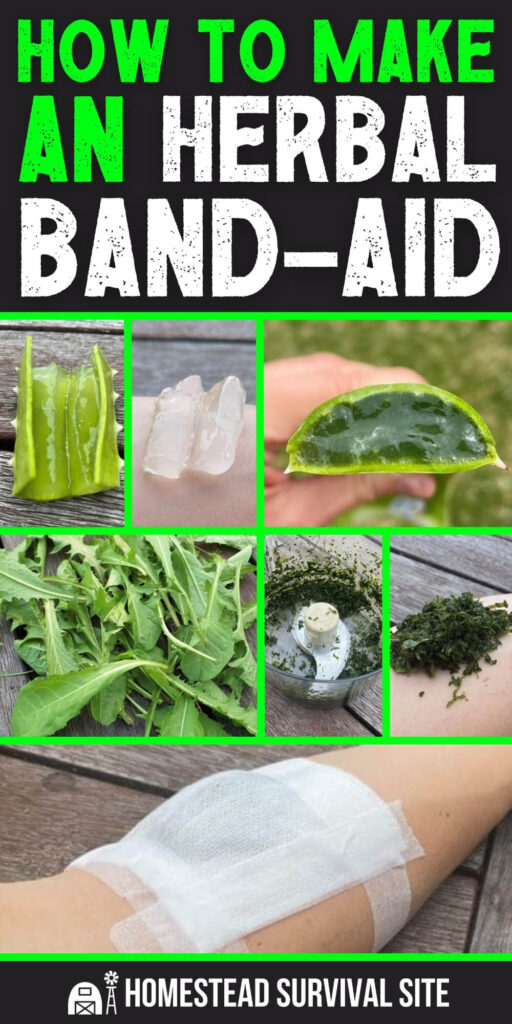
For centuries, aloe vera has been used for medicinal and healing properties dating back at least 6,000 years. Aloe vera gel is something many people use to soothe sunburned skin or minor scrapes.
Typically, the green gel is what most people think of when they hear the name aloe. In fact, aloe vera is one of the most used botanical medicines in Western society today.
Owning the aloe vera plant offers you more medicinal benefits than just the gel, and it is easy to care for. As a part of the succulent family, you will want to keep your plant inside unless you live in a regularly warm climate.
Aloe vera is a hardy plant that will do well if it has sunlight and you don't over-water. If you have a young plant or have not purchased one yet, some grocery stores carry aloe leaves in their produce department for a few dollars.
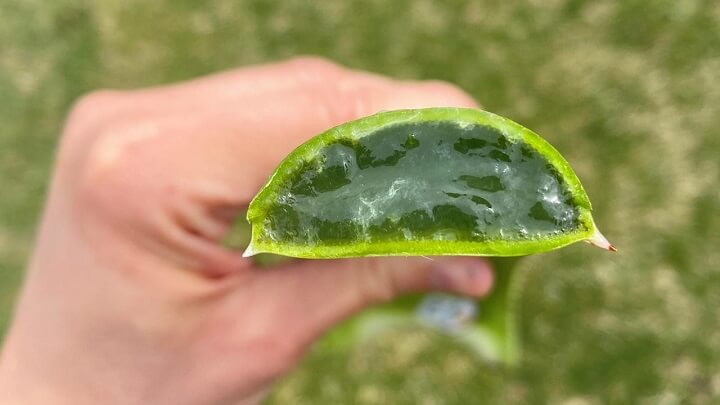
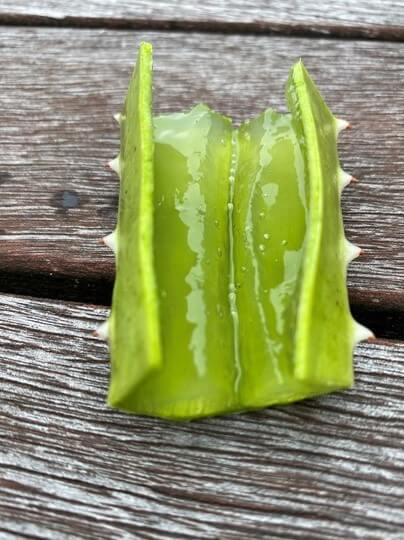
To use your aloe plant medicinally, take one of the aloe leaves and slice it down the middle. The inside is gelatinous, and this is the material that is in the gel previously discussed. It is easy to remove from the skin of the leaf, and there is a yellow liquid below the gel that you will not use topically. This liquid will usually seep out after you have removed the gel.
The aloe gel can be used on minor skin abrasions, inflammation, minor burns, or even dry skin. Aloe has been proven to help cells rebuild for minor healings of wounds, and it acts as a natural moisturizer.
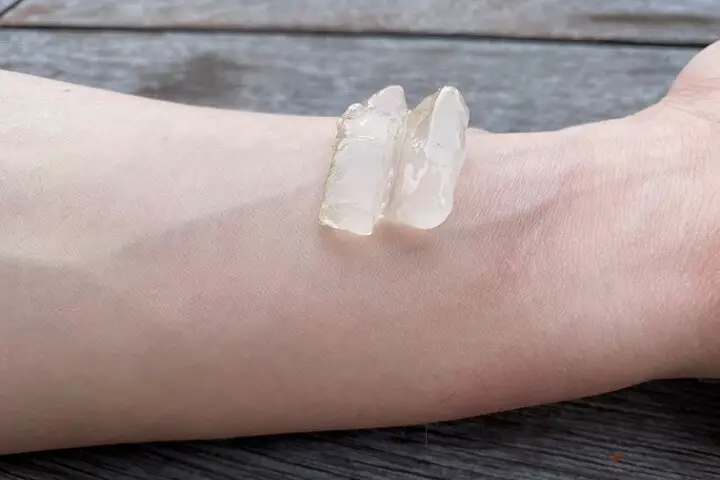
You can rub the gel directly on the affected area, or you can also place the removed gel piece directly on your skin and gently wrap it with gauze for a couple of hours. Replace the application a couple of times per day for direct healing of a minor injury or burn.
Herbal Poultices for Wound Care
Many plants and herbs can be made into a poultice. A poultice is a wet ground paste concoction of herbs that is directly applied to the skin and wrapped in gauze or bandage.
When warmed, the poultice can feel good simply in the application and add to the healing process by promoting blood flow to the injured site. In other instances, a cold poultice can likewise soothe inflammation and offer cooling relief.
A poultice is perfect to apply and wrap well before bed to allow the herbs to be in place for several hours; though like most herbal remedies, fresh application a couple of times per day yields the most benefits.
Great herb options for a poultice:
- Plantain leaves – One of the best all-around wound herbs. Draws out splinters, stingers, and toxins, and helps reduce swelling and stop minor bleeding.
- Calendula flowers – Excellent for slow-healing wounds, rashes, and inflammation. Known for its gentle antibacterial and antifungal properties.
- Dandelion leaves and root – Good for skin irritations and eczema-like conditions. The root has mild antibacterial properties, while the leaves can soothe inflamed skin.
- Burdock root – Traditionally used for boils, abscesses, and skin infections. Helps draw out impurities and reduce swelling in deeper tissue.
- Chickweed leaves and stem – Best for itching, rashes, and minor burns. Very cooling and soothing on irritated or inflamed skin.
- Yarrow flowers – One of the oldest wound herbs known. Helps stop bleeding, fight infection, and speed up the healing of cuts and scrapes.
- Mullein leaves – Softer and more fibrous than most herbs, mullein leaves can act as a natural bandage material on their own while also reducing inflammation.
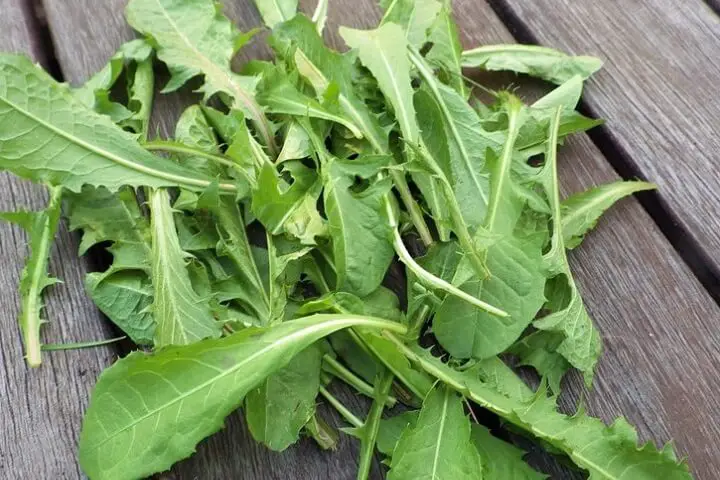
Depending on what type of injury you are treating, research the specific herb you are interested in using before you create your poultice to ensure you have aligned your ailment with the appropriate plant.
Specific issues like skin healing, gout, mastitis, boils, and abscesses can all be successfully treated with herbs through treatments like poultices with a variety of plants.
What you will need:
- Herbs of your choice.
- Gauze or bandage to wrap the area.
- It is helpful to have a food processor, blender, or mortar and pestle.
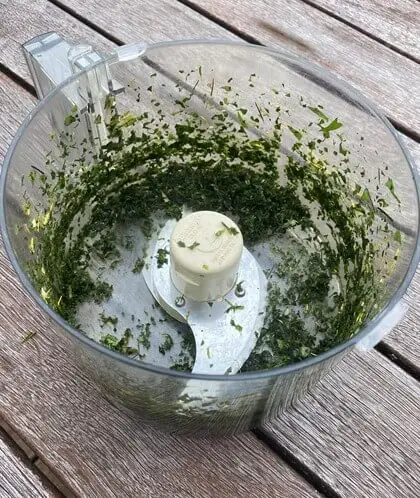
Instructions
Simply crush the herbs in the blender or with a mortar and pestle until the plant breaks down and is releasing its natural liquids.
If you need to add a little water to the blender to have it adequately break down (or if you're using dry herbs), that's okay, but make sure to maintain a pasty consistency.
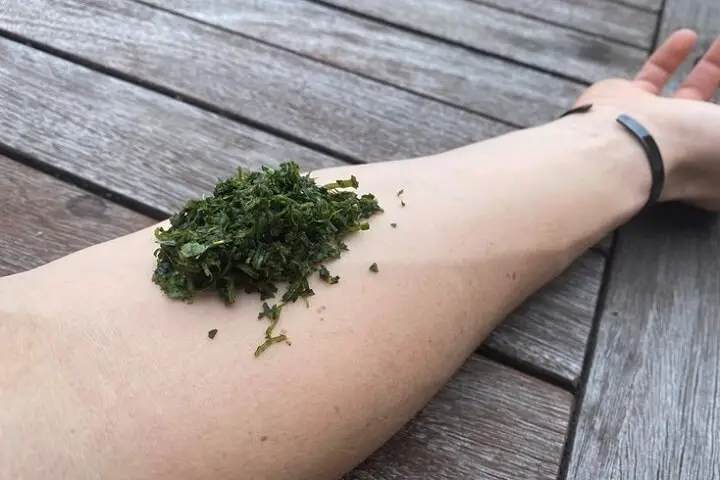
Apply the crushed herbs to the affected skin and wrap with gauze or cloth. For best results, replace the poultice a couple of times a day and leave on for extended periods of time.
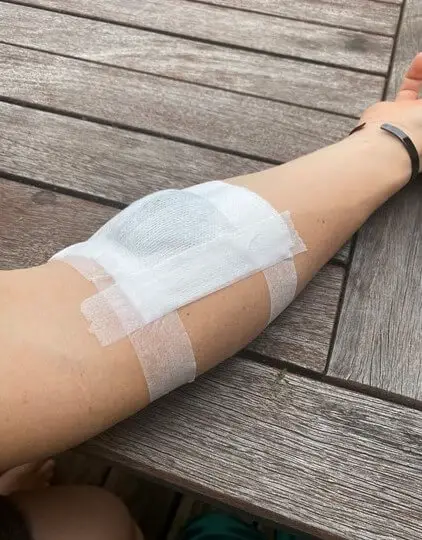
Storing Your Poultice Materials
If you've made more poultice than you need for one application, you don't have to throw it out. Fresh poultice can be stored in a small covered container in the refrigerator for up to 24 hours. Beyond that, the plant material begins to break down and lose potency.
For longer-term storage, consider drying your herbs and keeping them on hand in labeled glass jars. Dried herbs can be rehydrated with a small amount of warm water when you're ready to use them. Most dried herbs stay potent for one to two years when stored in a cool, dark place away from moisture.
If you grow your own medicinal plants, late summer and early fall are typically the best times to harvest and dry a supply to carry you through the colder months when fresh material isn't available.
Final Thoughts
In an urgent situation, picking a couple of leaves from a plant like the plantain and crushing it in your hands is enough to begin the breakdown process, and layering them over a wound is all you’ll need to reap some of the healing benefits from these plants.
Many of our modern luxuries can potentially lure us into a place of comfortable complacency, but the first line of defense is always being equipped with knowledge. Understanding the natural world around us and the intrinsic value of plants and herbs lessens the chances of a small incident, like a cut or a burn, turning into something more substantial. You can always be prepared, even when you’re not.
Like this post? Don't Forget to Pin it On Pinterest!
You May Also Like:
The post How to Make an Herbal Band-Aid appeared first on Homestead Survival Site.
from Homestead Survival Site https://ift.tt/Y0o5fbw
No comments:
Post a Comment