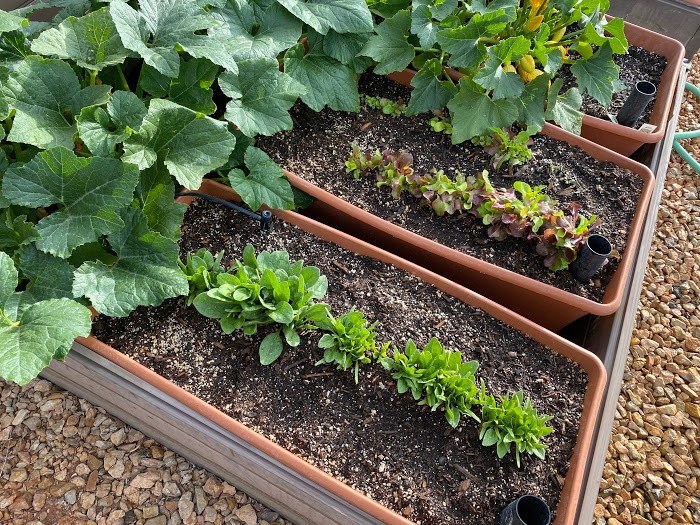
Are you wondering what to plant in June? Some seeds you can plant are beans, beets, carrots, corn, cucumbers, peas, summer squash, and melons. I’m so excited to share this post with you today. I hope you have started a garden, whether big or small. My friends, we must learn to grow some of our food. I updated this post so we can be ready to learn about gardening again.
We can be much more self-sufficient if we produce or at least part of our food. Be sure to buy NON-GMO Heirloom seeds whenever possible. Yes, seeds have escalated in price this year.
I highly recommend these for seedlings: CowPots and Organic Seedling Soil. When the temperatures are correct, you can plant your seeds and place the CowPots in your garden.
Raymond Dean White
I signed up for Ray’s newsletter years ago. He has great information on gardening and so much more. If you are interested, please email Ray: wryter2012@gmail.com, and he will add you to his email list.
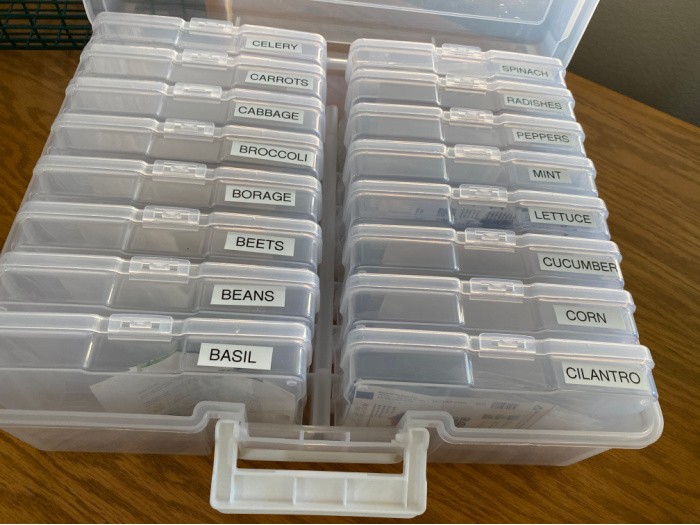
How I store my garden seeds:
Plastic Photo Container and Label Maker
What To Plant In June Zones 1-10
USDA Hardiness Zones
Check your hardiness zone to find the best time to plant based on where you live. Check here to find your zone.
Amend The Soil
Please remember to amend your soil if needed. Here are a few of the items I use in my garden when required:
Wiggle Worm Soil Builder Earthworm Castings Organic Fertilizer
Burpee Organic Bone Meal, 3 lb.
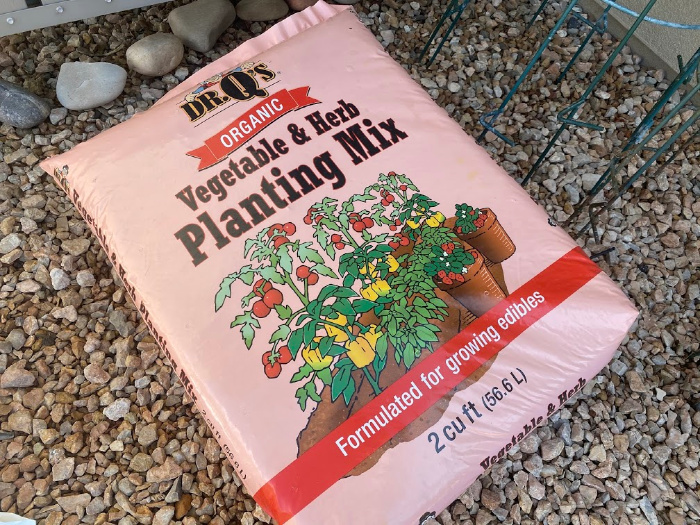
UPDATE: My New Favorite Soil
I’m seeing this fantastic product online and in local garden shops! It’s the perfect mix of everything you need in your garden.
What Does the Term pH Level Mean?
Are you wondering what the term “pH level” means in gardening? Each plant prefers a different level of acidity to grow the very best harvest. The desired level of acidity varies by plant variety.
Therefore, you can adjust the pH of your soil by adding lime or sulfur to raise or lower it, depending on what your soil needs for the plants going into your garden space. You can have your soil tested, possibly by your state extension service, or try to do it yourself with a soil tester. pH Tester
What to Plant in June by Zone
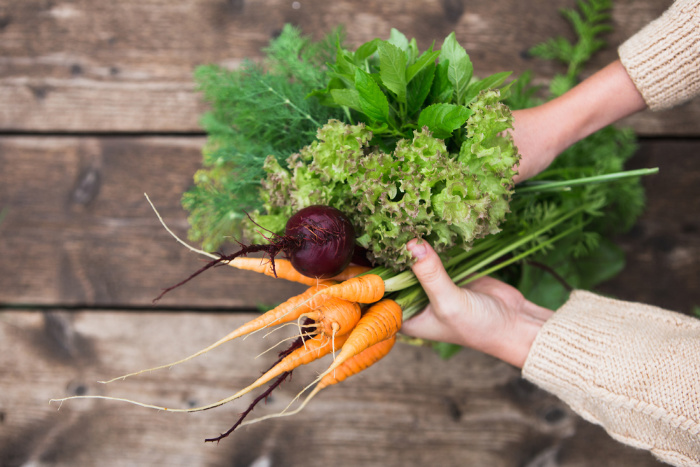
In some areas, June is the perfect time to plant in your garden, but in other places, it may not be ideal to grow, particularly if it is too cool. Below, you will learn what you can plant in each zone.
Zone 1
There isn’t much you can plant in zone 1, but here is your list of things to consider planting:
- Cabbage
- Kohlrabi
- Rutabagas
Zone 2
In zone 2, you can plant what you can in zone 1, plus a little more. Here’s what you can plant and feel confident it will grow successfully:
- Cabbage
- Kohlrabi
- Rutabagas
- Broccoli
- Brussels sprouts
- Carrots
- Celery
- Kale
- Leaf lettuce
- Radish
Zones 3 and 4
You can plant more in zones 3 and 4 than in 1 and 2. Here’s a list of what you can plant:
- Cabbage
- Kohlrabi
- Rutabagas
- Broccoli
- Brussels sprouts
- Carrots
- Celery
- Kale
- Leaf lettuce
- Radishes
- Turnips
- Tomatoes
Zone 5
During June, you can start seeds indoors and get things planted outdoors.
For the best results, start the following indoors:
- Lettuce
- Brussel sprouts
- Cabbage
- Cauliflower
- Celery
Start the following outdoors:
- Spinach
- Sweet potatoes
- Tomatoes
- Eggplant
- Peppers
- Potatoes
- Winter squash
- Melons
- Corn
- Bush beans
Zone 6
June is the time to start some indoor plants in zone 6, but many can also be planted outdoors.
Here is what you can start sewing indoors:
- Brussels sprouts
- Cabbage
- Cauliflower
- Beans
Additionally, you plant the following outdoors:
- Corn
- Beans
- Tomatoes
- Sweet potatoes
- Eggplants
- Peppers
- Winter squash
- Celery
Zone 7
With the hottest weather coming in July, you should use caution when planting in zone 7 in June. You will want to start seeds inside for your colder-weather plants. Here’s what to start indoors:
- Carrots
- Bush and pole beans
- Lima beans
- Tomatoes
- Broccoli
Zone 8
Again, zone 8 is quite hot in June. So, you will want to start seeds indoors for your fall plants. Here are some to start:
- Bush and pole beans
- Lima beans
- Brussels sprouts
- Cabbage
- Tomatoes
Zones 9 and 10
June is too hot to start plants outside in zones 9 and 10. You can, however, start the following indoors:
- Brussels sprouts
- Okra
- Lima Beans
- Peppers
What To Plant In June
Beans
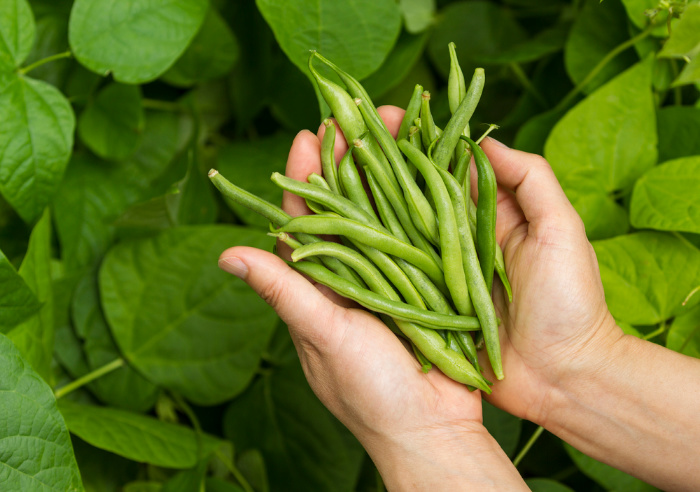
This is one of my favorite vegetables to grow. When our girls were growing up, we grew many green beans. We canned bushels of them in our pressure canner.
They taste so good when they are freshly picked. I only grew bush beans, but you can plant pole beans if you can support them off the ground. Bush beans grow about 2 feet tall, and the pole beans grow up to 10 feet tall.
Bush beans are ready to pick about 50-55 days after planting. Pole beans take longer, so plan to harvest them in 55-65 days.
Please remember that if you can stagger the plantings every 2 weeks, you can harvest green beans for weeks rather than all at once.
Green beans like rich, composted soil with rotted manure. You plant the seeds 1-2 inches deep and cover them with soil. Space the seeds in rows about 6-8 inches apart. Water them immediately and regularly until they begin to sprout.
After sprouting, they need 1 to 1.5 inches of water each week. They need full sun, so plant accordingly. They grow best when the air temperatures are between 65 and 85 degrees.
When the green beans are the size of a pencil, they are ready to pick. They can toughen up very quickly, so check on them often. You like them by snapping them off at the vine.
pH level for Green Beans: 6.0 to 6.2
Beets
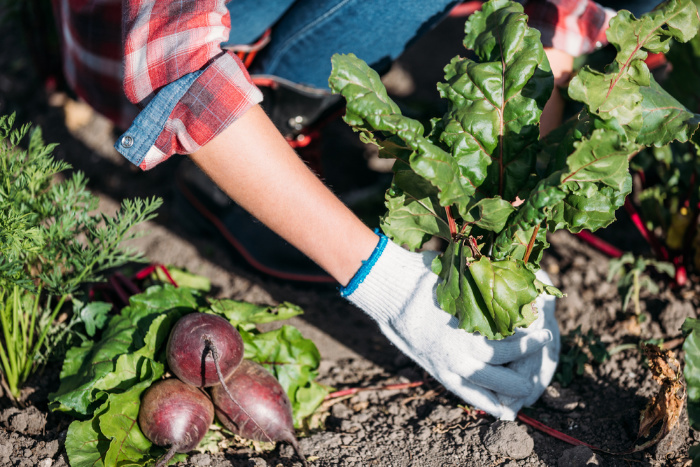
When prepping the soil for planting beet seeds, please don’t neglect the needs of these red beauties. They prefer well-drained soil, never clay, as I had in Southern Utah, which is too heavy for the large roots to grow. If your soil is hard, the beet may become tough and not be the best vegetable to cook.
The temperature must be at least 40°F (4°C) to plant the seeds so they can germinate. Beets don’t like the hot weather and do poorly in high temperatures.
When the soil is ready, plant the seeds 1 to 2 inches apart, cover them with soil, and sprinkle them with water. In about 7 to 14 days, you will start to see a few sprouts.
Thin as needed to keep the roots a good size for harvesting. You may want to plant some beet seeds every 2-3 weeks for an extended harvest.
You can plant them in partial shade, but the soil depth must be at least 6-8 inches to develop strong roots. The beets are ready to harvest in about 8 weeks.
When ready to dig, gently remove the soil around each root. The greens can be harvested when the beets are young, and the roots are small.
pH Level for Beets: 6.0-7.5
Carrots
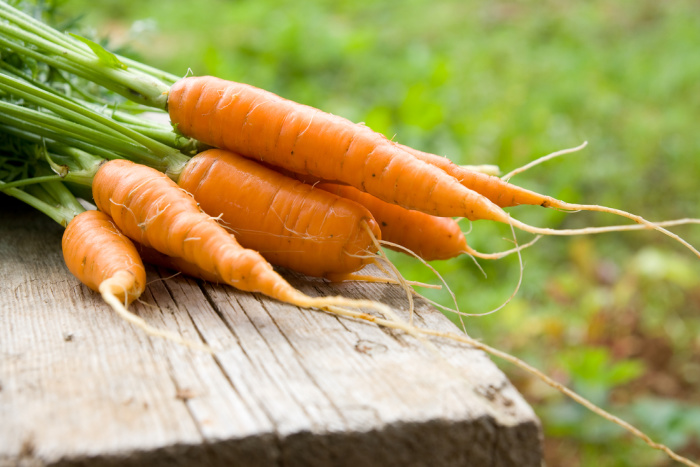
Carrots like really smooth, loamy soil with nutrients added, as shown above. I like to moisten the soil slightly, sprinkle the seeds over it, and cover them with compost.
Keep the rows about 3 inches apart and stagger seed planting over two to three weeks to ensure an abundant harvest for the season.
If you live in intense heat, be careful, as carrots don’t like to dry out. If you water them by hand for two to three weeks after planting the seeds, you will soon see the little sprouts.
This is when you will fertilize with Miracle-Gro Fertilizer and thin the carrots as needed. If you live in an area with extremely hot summers, you can use mulch to cover them.
pH level for Carrots: 5.5-7.0
Corn
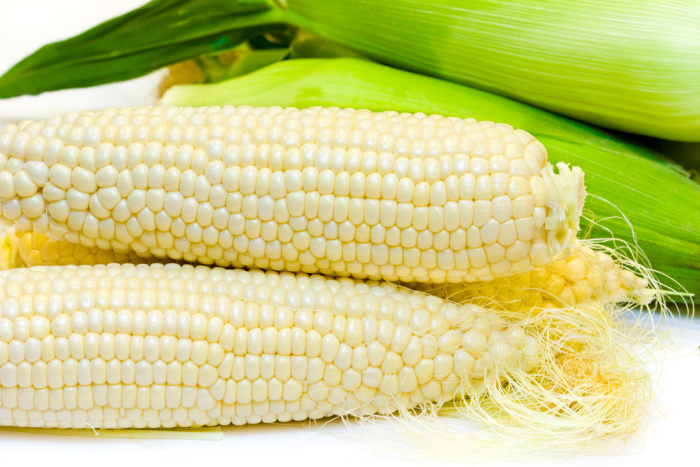
Corn likes full sun, so plant accordingly. It needs well-drained and fertile soil. Put 2-4 inches of compost and well-rotted manure into the soil to improve drainage. Corn needs a soil pH level of 5.8 to 6.5. Add lime to raise the pH and sulfur to lower it.
Plant the seeds two weeks after the last frost in your area. Planting and transplanting seeds indoors is not recommended, so I have always sown them directly outdoors. I’ve heard of people planting them indoors and transplanting them later, so I’m just giving you a heads-up.
Plant the seeds 1.5 to 2 inches deep, 4-6 inches apart, and in rows of three about 8-12 inches apart. You are better off having several rows, as in three, than having one really long row.
They will pollinate better from one plant to another. For successful germination, please make sure the soil temperature is 60°F or above. This is the Garden Thermometer I use to test my soil temperature.
Fertilize often with nitrogen and phosphorus. 16-16-8 is a good choice for fertilizer. Put two pounds of 16-16-8 per 100 square feet of garden.
Once you see sprouts, corn needs an additional 46-0-0 fertilizer, so sprinkle some around the sprouts. Once the stalks have 8-10 leaves, add a 1/2 pound of 46-0-0 fertilizer to 100 square feet of garden. Add 1/4 pound of 46-0-0 fertilizer to 100 square feet of garden when the silk starts developing.
I recommend planting a few seeds weekly to have corn for several weeks. Sweet corn is different than other vegetables. One stalk grows only 3-4 cobs, and that’s it. Yep, all that work for 3 or 4 cobs, but it’s worth it, I promise.
Corn: pH level of 5.8 to 6.5
Cucumbers
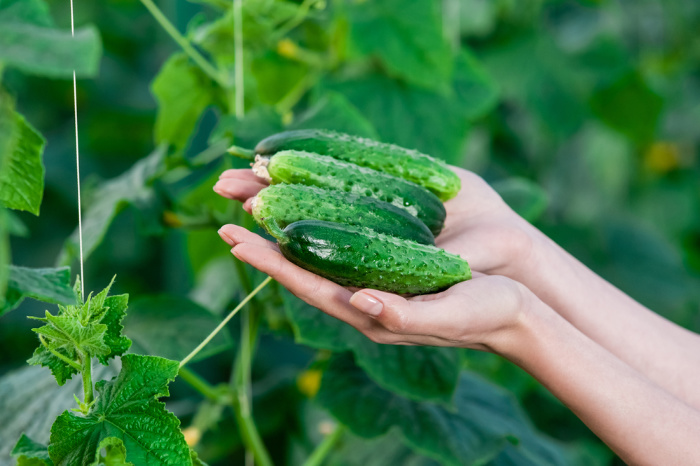
Cucumbers thrive when the weather is hot, and they receive plenty of water. Plant them in full sun. If you planted seeds indoors, don’t set your seedlings outside until the weather is in the 70s. Check the last frost date and wait two weeks before planting the seedlings or seeds outside.
Decide if you want to grow bush cucumbers or cucumbers on the vine. I have always had better luck with bush cucumbers, which work great in pots or small gardens.
This is why they do better in my raised gardens. I suggest staggering the planting of seeds so you will bear cucumbers at different times rather than all at once, with a huge harvest.
Cucumbers like compost and composted, well-rotted manure. They need well-fertilized soil. Cucumbers grow fast and don’t depend on much care or work to get them to thrive. When watering, try to keep the leaves dry to prevent leaf diseases.
Male blooms show up first and drop off. No worries, a female flower will appear within a week or two. If not, you may have to do hand pollination. You remove the male blossom, leaving the center covered in pollen. Use a “brush” to apply the pollen you collected to the center of the female flower.
Use metal cages for vines. The cucumbers will hang better on those because they attach more easily to the wires as they grow. Plant two to three seeds about 1 inch deep and cover with soil.
If the soil is moist and warm, you will see sprouts within a few days. Plant the seeds or plants 36-60 inches apart. Bush cucumbers can be planted closer. Cucumbers grow from start to finish in 50-70 days.
pH level for Cucumbers: 6.5 to 7.0
Melons
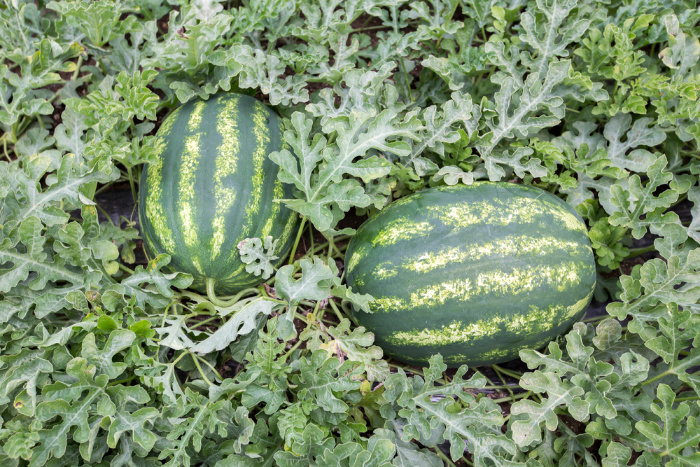
Melons are easy to grow if you have sunshine, warm weather, and amended soil with well-rotted manure and organic compost. The soil temperature must be above 70 degrees to germinate the seeds.
I typically plant three seeds about 1 inch deep in each hole, spacing them 36 inches apart to allow for growth. Once the seeds grow to 3-4 inches, I choose between the three sprouted seeds and discard the weakest, leaving two standing sprouts.
Melons need water because they are mostly water, so never let them dry out. Be careful with the foliage because that’s where the sweetness comes from.
Keep the garden weeded so you can watch the fruit when it starts to grow. To test if the fruit is ripe, carefully lift and twist it; it will easily slip off the stem if ripe.
Late melons don’t slip off the stem when ripe. Honeydews are ready to pick when the area where the melon rests on the ground turns from yellow to white.
Hales Best Cantaloupe: Day to maturity = 85-100 days
Honey Rock Cantaloupe: Day to maturity = 85-100 days
All Sweet Watermelon: Day to maturity = 90 days
Sugar Baby Watermelon: Day to maturity = 75 days
Tom Watson Watermelon: Day to maturity = 85 days
Crimson Sweet Watermelon: Day to maturity = 85 days
pH level for Melons: 6.0-6.5
Peas
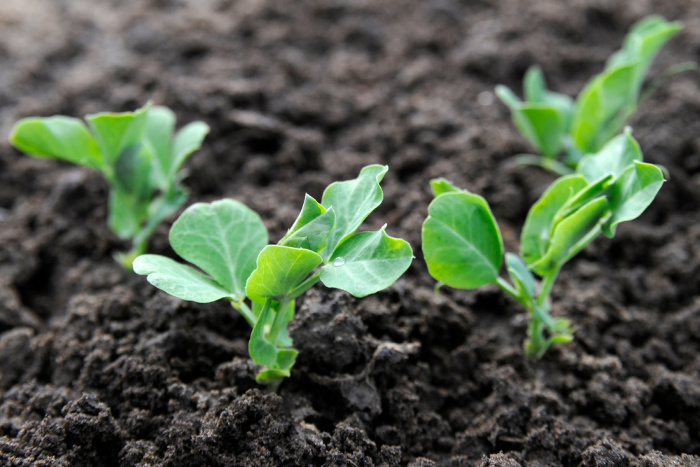
Peas prefer cooler weather, so March is a good month to plant them. You can plant them as soon as you can work your soil. It is best if the soil temperatures are 10-20 degrees C or 50-70 degrees F.
The best time to sow peas is mid-February, when the weather is clear until the end of May. Of course, depending on how hot it is, you can replant them from July through mid-August. If your soil is moist or damp, don’t soak your peas; you don’t need to. I have never soaked my peas.
Make sure your soil has the amendments it needs. I prefer bush peas because they seem the sweetest. My favorite is called Little Marvel.
They only grow about two feet tall, and that works for me. They are sweet and can be harvested in about 60 days. You may want to trellis them. Plant the seeds about 4-6 inches apart and 1/2 to 1 inch deep.
pH level for Peas: 6.0-7.5
Summer Squash
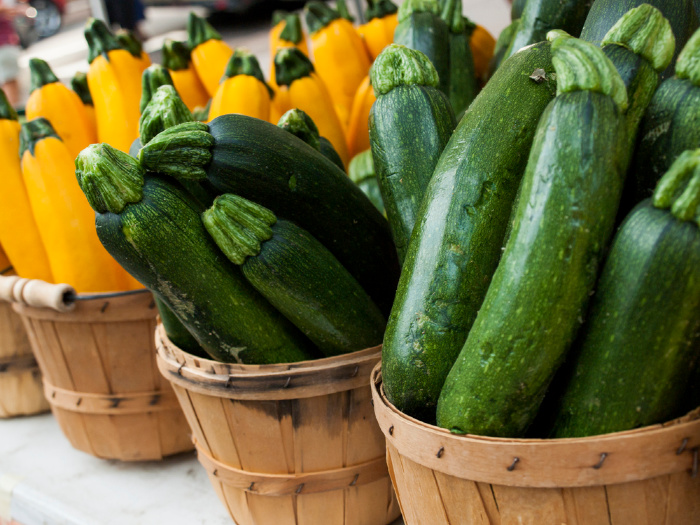
Summer Squash: zucchini, crookneck, and straight-neck (harvested in the summer before they reach maturity).
Winter Squash: pumpkins, butternut, spaghetti, and acorn squash (harvested in the autumn months after they reach maturity).
When you plant the seeds, test the soil to make sure it is at least 60°F before sowing. They need full sun exposure, loamy, nutrient-rich soil, and proper drainage.
Plant the seeds in hills (2-3 each) at a depth of 1 inch. Space them 2-3 feet apart. Thin as needed to produce the most vigorous plant. Use a cloche to keep the plants warm in case of cool weather. Mulch around the plants to keep them moist and weed-free. When the first blooms appear, fertilize the plants.
Water deeply, at least one inch per week. The soil needs to be moist to a depth of 4 inches. If your blossom ends turn black and rot, you have blossom rot. It’s usually caused by uneven soil moisture, but it could also be a calcium issue.
Water must be consistent and frequent for the fruit to produce. If the fruits are misshapen, they may not have received enough water or fertilizer. Check for fruit you can pick daily; they grow faster than you think.
pH level for Squash: 5.5 to 6.8
Marigolds Attract Bees
Don’t forget to plant some Marigolds to attract bees. Marigolds by Linda
Please Check Out What To Plant Each Month:
- What To Plant In January
- What To Plant In February
- What To Plant In March
- What To Plant In April
- What To Plant In May
- What To Plant In June
- What To Plant In July
- What To Plant In August
- What To Plant In September
- What To Plant In October
Final Word
I hope I inspired you to plant a garden or sow some seeds in a pot or two today. It’s all about what to plant in June. The more experience we have with gardening, the more we learn about growing our food. We must be self-reliant, save seeds, and, whenever possible, learn a skill we may not feel comfortable doing. Listen, we can do anything, I promise. We will learn together and be prepared better than ever before. May God bless this world, Linda
Copyright Images: Gardening Deposit photos_63079453_s-2019, Green Beans Depositphotos_28603853_XL By tab62, Woman Harvesting Beets Depositphotos_162344438_XL By SashaKhalabuzar, White Corn on the Cob Depositphotos_1412420_XL By shirotie, Cucumbers in A Womans Hands Depositphotos_78652184_XL By vladteodor95, Melon Field with Watermelons Depositphotos_78801568_XL By vverve, Young Green Pea Plants Depositphotos_9938286_XL by muzsy, Squash Vegetables Depositphotos_12126351_XL By urban_light, Bouquet of Fresh Vegetables Depositphotos_172853636_XL by Scharfsinn
The post What To Plant In June appeared first on Food Storage Moms.
from Food Storage Moms
No comments:
Post a Comment