Today, we’re going to look at 15 processed foods that are actually good for you, backed by solid nutritional science and practical value for everyday family life. When most people hear the words “processed food,” they picture something unhealthy in a crinkly bag at the checkout. But here’s the truth that surprises many families: not all processed foods are created equal. In fact, some of the most nutritious foods in your kitchen have gone through some form of processing to get to your table. The key is knowing which ones to trust and why they deserve a spot in your pantry.
Food processing simply means that a food product has been altered from its natural state in some way. That can mean freezing, fermenting, canning, pasteurizing, or fortifying with vitamins. Many of these methods actually preserve nutrition and make healthy eating more affordable and convenient for busy families. Can Openers, Large Can Openers, and Electric Can Opener.
15 Processed Foods That Are Actually Good For You
- Canned Tomatoes
Canned tomatoes are one of the greatest nutritional bargains in the grocery store. When tomatoes are cooked and canned, their lycopene content actually increases. Lycopene is a powerful antioxidant linked to heart health and reduced cancer risk. A can of diced, crushed, or whole tomatoes gives your family access to this nutrition year-round, long after fresh tomatoes are out of season. Look for cans labeled “no salt added” for the best option.
- Frozen Vegetables
Here’s a fact that many people don’t know: frozen vegetables are often more nutritious than the fresh produce sitting on store shelves. That’s because they’re flash-frozen within hours of being harvested, which locks in vitamins and minerals before they have a chance to degrade. Fresh vegetables that have traveled for days to reach your store may have lost a significant portion of their nutrients by the time they reach your cart. Frozen peas, broccoli, spinach, corn, and green beans are excellent staples to keep stocked in your freezer.
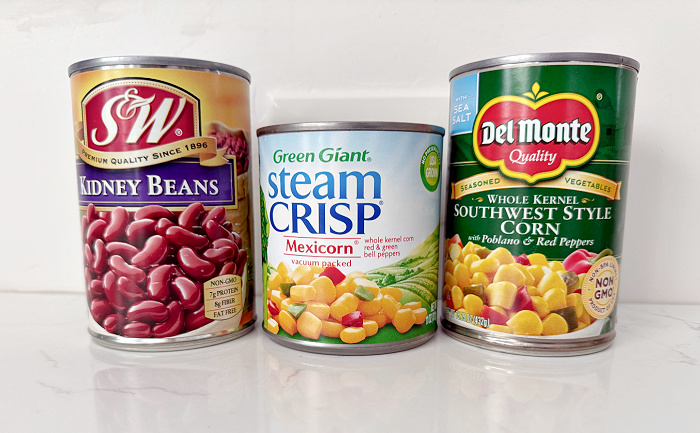
- Canned Beans
Beans are a powerhouse of plant-based protein, fiber, and essential minerals like iron and potassium. Canned beans have been cooked and sealed, which means they’re ready to use straight from the can with a quick rinse. They’re among the most budget-friendly and shelf-stable ways to add substantial nutrition to soups, stews, salads, and rice dishes. Rinse them well to reduce sodium, and you have a food that’s almost as good as cooking dried beans from scratch.
- Greek Yogurt
Greek yogurt is a fermented dairy product, which means it qualifies as a processed food. But the fermentation process is what makes it so beneficial. It’s packed with protein, calcium, and live probiotic cultures that support healthy gut bacteria. A single serving can deliver as much protein as several eggs, making it a smart breakfast or snack for kids and adults alike. Choose plain, unsweetened varieties and add your own fruit or a little honey to control the sugar content.
- Canned Fish (Tuna, Salmon, and Sardines)
Canned fish is one of the most underrated pantry staples. Tuna, salmon, and sardines are rich in omega-3 fatty acids, which support brain and heart health and a healthy inflammatory response. The canning process doesn’t destroy these beneficial fats. Canned salmon in particular contains soft, edible bones that deliver a significant amount of calcium. These are reasonably affordable, long-lasting proteins that deserve a regular place in your family’s meal rotation.
- Frozen Fruit
Just like frozen vegetables, frozen fruit is harvested and frozen quickly, preserving the vitamins, antioxidants, and natural sweetness that make fruit so beneficial. Frozen blueberries, strawberries, mangoes, and cherries are wonderful in smoothies, oatmeal, and baked goods. For families trying to eat more fruit without spending a fortune, frozen fruit is one of the smartest choices available. No washing, no cutting, no spoilage waste.
- Whole Grain Bread
Not all bread is the same, and whole-grain bread is a processed food worth seeking out. When bread is made from whole grains, it retains the bran and germ layers of the grain, which contain fiber, B vitamins, iron, and magnesium. Fiber helps with digestion, helps children feel full between meals, and supports healthy blood sugar levels. Read the ingredient label carefully and look for “whole wheat” or “whole grain” listed as the very first ingredient.
- Pasteurized Milk
Pasteurization heats milk to kill harmful bacteria, making it safe to drink for children and adults alike. This process doesn’t destroy the calcium, vitamin D, or protein that make milk such a valued food for growing bodies. Milk is one of the most complete foods available to families, and pasteurization simply makes it safer without stripping its nutritional value. Whether you choose whole, two percent, or low-fat, pasteurized milk remains a solid choice for everyday nutrition.
- Tofu
Tofu is made from soybeans through a process similar to cheesemaking, and it’s one of the most versatile plant-based proteins available. It’s rich in protein, calcium, and iron, and it readily absorbs the flavors of the sauces and seasonings you cook it with. For families looking to reduce meat consumption or stretch the food budget without sacrificing nutrition, tofu is a wonderful option to work into stir-fries, soups, and grain bowls.
- Fermented Foods (Sauerkraut, Kimchi, and Pickles Made by Lacto-Fermentation)
Fermented foods have been made by cultures around the world for thousands of years, and they are now recognized by nutrition science for their probiotic benefits. Sauerkraut and kimchi made through lacto-fermentation, rather than vinegar, contain live beneficial bacteria that support gut health and immune function. Look for refrigerated versions with minimal ingredients, since shelf-stable versions made with vinegar have often had the live cultures pasteurized out.
- Fortified Breakfast Cereals
Not all cereals belong in this category, but certain whole-grain fortified cereals are genuinely nutritious when chosen carefully. Many are fortified with iron, B vitamins, and vitamin D, nutrients that children and adults alike are commonly low in. Look for cereals that list a whole grain as the first ingredient, contain at least three grams of fiber per serving, and have limited added sugar. Paired with milk and fruit, a good whole grain cereal makes for a fast and nourishing breakfast.
- Nut Butters
Peanut butter and almond butter are processed by grinding nuts into a paste, which counts as processing. But the nutrients that make nuts so valuable largely survive that process intact. Nut butters are rich in healthy fats, plant-based protein, fiber, vitamin E, and magnesium. They’re calorie-dense and satisfying, which makes them excellent for keeping kids fueled between meals. Choose natural nut butters with no added sugar or hydrogenated oils, and make sure the ingredient list is very short.
- Olive Oil
Olive oil is produced through pressing and extraction, which makes it a processed food by definition. But extra-virgin olive oil is one of the most well-researched healthy fats in the world, central to the Mediterranean diet and associated with reduced risk of heart disease and inflammation. It contains powerful antioxidants and healthy monounsaturated fats. Use it for cooking, salad dressings, and drizzling over vegetables to add nutrition and rich flavor to family meals.
- Canned Pumpkin
Pure canned pumpkin, not pumpkin pie filling, is a nutritional gem hiding in plain sight on grocery store shelves. It’s rich in beta-carotene, fiber, potassium, and vitamin C. One cup contains a significant portion of the recommended daily intake of vitamin A. It can be stored for months in the pantry and stirred into oatmeal, smoothies, soups, and baked goods to add nutrition without even picky eaters noticing.
- Cheese
Cheese is made through a fermentation and aging process that transforms milk into a concentrated source of calcium, protein, and beneficial fatty acids. Aged cheeses like cheddar and Parmesan are particularly rich in calcium and lower in lactose than fresh dairy. Many traditional aged cheeses also contain small amounts of beneficial bacteria from the aging process. Used in reasonable portions, cheese is a satisfying and nutritious addition to sandwiches, casseroles, eggs, and vegetables.
Making Smart Choices With Processed Foods
The lesson here isn’t to fear all processing, but to become a more informed reader of ingredient labels and a more thoughtful shopper. The processed foods on this list are minimally altered, made with whole ingredients, and deliver genuine nutritional value. They’re also practical for real families working with real budgets and real schedules.
When you walk the aisles of your grocery store, focus on processed foods with short, recognizable ingredient lists and without excessive added sugar, sodium, or artificial additives. The fifteen foods on this list are a great place to start building a pantry that’s both practical and deeply nourishing for everyone you feed.
Top Gardening Tips for Growing Tomatoes
Final Word
Feeding your family well doesn’t require cooking everything from scratch every single day. Some of the healthiest foods on the planet come in cans, bags, and tubs. What matters is choosing those foods with care, reading labels with confidence, and stocking your pantry with items that truly serve your family’s health. These fifteen processed foods are proof that convenience and nutrition can absolutely go hand in hand without breaking your food budget. May God bless this world, Linda
The post 15 Processed Foods That Are Actually Good For You appeared first on Food Storage Moms.
from Food Storage Moms
No comments:
Post a Comment