Estimated reading time: 12 minutes
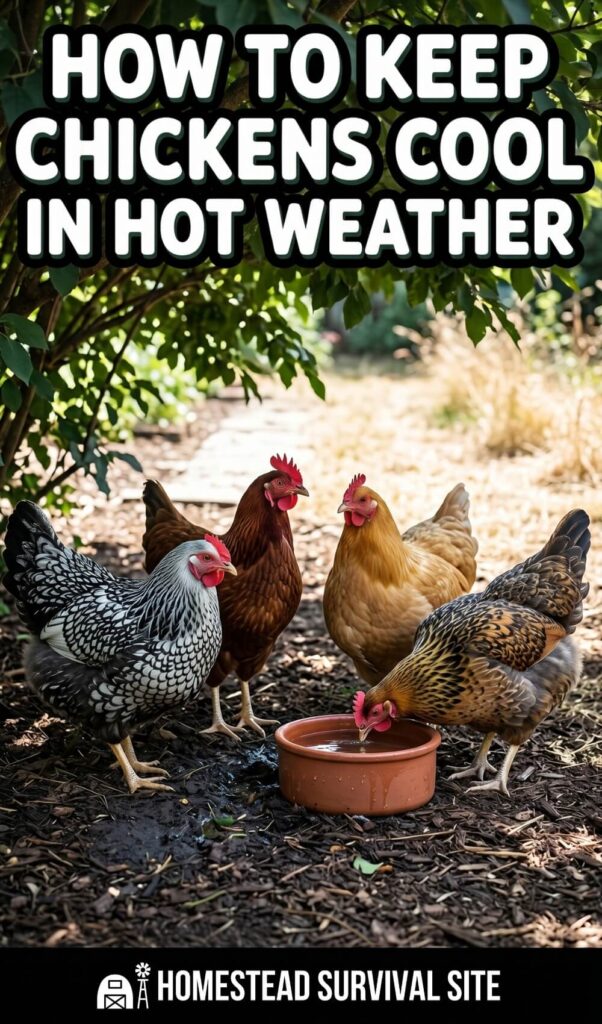
Chickens are hardy birds and can adapt to most common weather fluctuations, with the exception of heat. Sudden jumps in temperature are far more dangerous to chickens than a seasonal or gradual temperature increase. Unlike humans and likely many breeds of livestock on your homestead, chickens do not sweat.
A chicken’s body temperature generally hovers around 107 degrees. When the birds are subjected to temperatures outside of their typical comfort zone, 65 to 75 degrees, they can die from heatstroke.
When the thermometer rapidly climbs, your flock will face a higher chance of heatstroke. Typically, when chickens are exposed to hot weather, their blood begins to flow towards their outer layer of skin, their wattles, and their combs, and away from their vital organs where it is most needed.
It's also worth noting that the heat index (the combination of temperature and humidity) matters just as much as the actual thermometer reading. A 90-degree day with 80% humidity is far more dangerous to your flock than a dry 100-degree day with 20% humidity. If you live in a humid climate, start taking precautions earlier in the season and monitor your birds more closely than you might think necessary.
Want to save this post for later? Click Here to Pin It On Pinterest!
How To Tell When A Chicken Is Experiencing Signs Of a Heat Stroke
Panting
During the initial stages of a possible heat stroke, a chicken will often pant excessively in an attempt to cool its body. When a chicken engages in this behavior, both its heart and respiratory rate will increase substantially, which in turn, negatively impacts its pH balance. If the chicken is not cooled to curtail the excessive panting, it could begin to experience acidosis, which almost always ends in death.
If you catch a bird in this state, move it to a cool, shaded area immediately and offer it cool (not ice cold) water. You can also gently wet the bird's feet and wattles with cool water to help bring its core temperature down faster. Do not submerge the bird in cold water, as the sudden shock can make things worse rather than better.
Frantic Walking
The chicken often walks about its run or free-range area frantically, while panting profusely, in yet another attempt to defray the heat stress it is experiencing. The bird is essentially trying to run away from the pain caused by the heat.
Egg Laying
When a chicken is unexpectedly thrust into hot weather conditions, hens generally begin to lay far fewer eggs than normal. This same type of behavior is exhibited during the long cold winter months when temperatures dip down to below 40 degrees.
Beyond a simple drop in production, prolonged heat stress can also cause hens to lay thin-shelled or soft-shelled eggs, since the calcium normally used to form the shell gets diverted during the body's effort to regulate temperature. If you notice a sudden uptick in shell quality problems alongside reduced production, heat stress is likely the culprit.
Appetite Loss
Chickens often lose their appetite or stop eating entirely when they are struggling to cope with hot weather conditions.
This is actually a built-in self-defense mechanism of sorts. Digesting feed generates body heat, so the birds instinctively eat less to avoid making things worse. The downside is that they can fall behind on the nutrients they need, which is why offering hydrating treats and electrolyte supplements during hot spells is so important.
Spread Eagle
If you spot one of your chickens spread eagle on the ground with their wings fully outstretched in the dirt in a generally listless state, the bird is most likely approaching fatal heatstroke status.
If you create a shady space within the free-range area, your flocks will naturally gravitate to it when they become overheated. This is also the first place you should go to conduct heat stress health checks on your chickens. If your birds live in a confined space, consider using edible landscaping in or around the run to create shade and encourage their foraging instincts.
Top 15 Chicken Hot Weather Survival Tips
1. Freedom of Movement
Make sure your coop and run allow for enough freedom of movement and airflow. Each member of the flock should have at least three square feet of space to move about.
This is especially critical during a heat event, because overcrowding generates body heat and prevents birds from finding their own comfortable space. If you have a large flock and limited coop space, consider temporarily opening access to a covered outdoor run or barn stall during the hottest part of the day so the birds can spread out and benefit from any available airflow.
2. Coop Ventilation
In your efforts to keep predators out of the coop, make sure not to limit ventilation too severely for the sitting hens who will spend their days inside. If your nesting boxes do not have wood or metal flaps that can be lifted to allow you to reach in and collect eggs, consider cutting some into the coop.
Make sure the flaps can be locked securely and the openings covered with hardware cloth to protect the hens when the flaps are lifted for added ventilation. Screw the top side of the hardware cloth to a wood slat that is nailed to the coop. The bottom side of the hardware cloth should be secured in place with another movable wood slat that can be easily opened to allow the hardware cloth to be lifted.
3. Frozen Snacks
Freeze some peas, corn, or another flock favorite treat in ice cube trays and serve them to the birds when the temperatures start to climb. The birds will be cooled down as they peck away at the ice cubes to reach the yummy snack inside.
Other good frozen treat options include berries, chopped cucumber, and leafy greens like kale or lettuce. You can also freeze watermelon chunks or blend watermelon into a slush and freeze it in a shallow pan for the flock to peck at. Avoid anything high in salt or sugar, and skip avocado, onion, and citrus, which are toxic to chickens even in small amounts.
4. Solar Mister
Purchase a nominally priced solar mister and affix it inside the coop, run, or free-range area to allow the birds to benefit from the moisture spray and to walk through it to cool off at will.
If you don't want to invest in a solar model, a standard garden hose mister attachment works just as well and costs only a few dollars. Attach it to a low-pressure hose bib and set it up near a shaded area where the birds naturally congregate. The goal is a fine mist that creates a cooling effect in the air, not a heavy spray that soaks the birds and raises humidity inside an enclosed coop.
5. Solar Fan
Attach a solar fan (several if you have a large flock, coop, or run) to the flock’s domain to create additional airflow that can help cool down the birds.
6. Apple Cider Vinegar
Pour a teaspoon or so (depending on both the waterer and number of flock members) of apple cider vinegar into the chickens’ water supply to help keep the birds hydrated and to replace the nutrients they are losing due to their loss of appetite. If you have a free-range flock, simply fill a container with water and the apple cider vinegar and place it where they chickens tend to congregate.
Use raw, unfiltered apple cider vinegar with the mother still in it for the best results. The beneficial bacteria it contains support gut health, which can take a hit during heat stress when birds are eating and drinking inconsistently. A word of caution: don't use apple cider vinegar in metal waterers, as the acidity will corrode them. Stick to plastic or ceramic containers when adding it to the water supply.
7. Frozen Water Bottles
Put some frozen plastic water bottles into the flock’s waterer to keep it as cool as possible. You can also put some frozen water bottles around the coop, run, and free-range area for the birds to curl up with to help bring body temperature and pH balance back into a normal range.
To make this a more reliable system during a prolonged heat wave, keep a rotation of bottles going in your freezer so you always have a fresh supply ready to swap out. Old plastic milk jugs work great for this and take up less freezer space than you might expect. If you have a large flock, a chest freezer dedicated to frozen bottle rotations during summer is well worth the investment.
8. Fruit
Feed the flock fruit snacks to help them stay hydrated. Typically, fruit should only be given to chickens in mild moderation, but during a heatwave, the extra moisture the fruit provides just might save their lives. Watermelon is always a big hit with chickens of nearly any breed.
Other hydrating fruit options include cantaloupe, honeydew, strawberries, and grapes (cut in half for smaller birds). Cucumbers, while technically a vegetable, are also an excellent choice since they are mostly water and easy for the flock to peck apart. If you grow any of these in your garden, summer is the perfect time to toss the extras to the flock rather than letting them go to waste.
9. Homemade Electrolyte Drink
Mix up a simple and fairly healthy electrolyte drink for the flock to help prevent dehydration and to restore both nutrients and minerals that the hot weather and lack of appetite have stripped from their bodies.
To make a poultry electrolyte drink, mix together one gallon of water and ⅛ teaspoon of both baking soda and salt and 3 teaspoons of sugar. You can serve the homemade electrolyte drink as a free choice item or mix it into the flock’s waterer.
10. Mud Bath
Mud wallows are not just for pigs. Hens love to take a dirt bath and when hot temperatures arrive, they seem to love taking a mud bath even more. To make a mud bath for your chickens, dig individual holes or a trench and hose it down thoroughly to create some nice soft and cool mud.
Digging into the dirt will allow the flock to benefit from the cooler below-ground temperatures. If you cannot dig a hole or trench, you could fill a plastic storage tub or similar item with dirt, hose it down to make mud, and pull it into a shady spot.
You don't need to maintain the mud bath all day. Simply hose it down in the morning before the heat peaks and again in the afternoon if needed. The flock will generally head straight for it on their own once they discover it. If you have broody hens that are reluctant to leave the nest box, it can be worth physically moving them to the mud bath area for a few minutes during the hottest part of the day.
11. Make Shade
Use tarps or feed bags to create makeshift awnings around the coop, chicken run, or a free-range area gathering spot. Placing the waterer and feeder in this area during daylight hours should help coax flock members to gather inside and hopefully to both drink and eat more as their body temperature cools.
Natural shade from trees is always the best option if you have it available, since tree canopies also release moisture into the air and lower the ambient temperature somewhat. If you're planting trees near the coop or run for long-term shade, fast-growing options like mulberry trees do double duty. They grow quickly and drop fruit that chickens absolutely love.
12. Wading Pool
Chickens do not like to go full-on swimming in the water like ducks, but they will wade in shallow amounts of water to cool off. Find a shallow container large enough to hold at least a significant portion of your flock and fill it with cool water after it has been placed in the shade.
Change the water at least daily to keep it from becoming too warm and deterring chickens from flying in for a soak. The wading pool will only need a few inches of water to do the trick, which will help keep the soak safe for even your chicks.
If you want a little free entertainment this summer that will also help keep your flock healthy, invest in a slip-n-slide. Once a single bird gets brave enough to give it a whirl, the rest will soon follow and slide around to cool themselves for as long as you keep the water flowing.
13. Run Cover
If your run does not have a wood, metal, or tarp cover, put one on it to create shade for a captive flock. You do not have to cover the entire run but create enough shade so that the entire flock can escape the heat while still having adequate freedom of movement.
14. Barn Kept
Move the chickens to a stall make-shifted into a summer coop when the weather starts to get hot. The inside of a wood barn with a dirt floor generally feels far cooler than either the outside or a coop. You can spray down the inside walls of the chicken stall, and the dirt as well, to make it an even better cooling station. My free-range chickens spend the entire summer roosting in the barn rafters, which keeps them both cool and adequately safe from predators.
If moving your flock to a barn isn't an option, even propping open a large tarp or shade sail on the south and west sides of the coop can dramatically reduce how much direct afternoon sun hits the structure. The west side is especially important to address, since the late afternoon sun is often the most intense and beats directly on whatever is in its path for hours before sunset.
15. Ice Water Tower
This clever DIY chicken cooler invention is not hard or expensive to make and will help provide a nearly continual source of cool wading and drinking water for a heat-stressed flock. Watch the video below to see how it works.
Choose The Right Breed
Some chicken breeds fair far better than others during the summer months or in warm climates. Here are a few examples.
- Leghorns
- Brahmas
- Rhode Island Reds
- New Hampshire Reds
- Black Minorcas
- Fayoumi
Regardless of what chicken breed you choose, always be on the lookout for signs of heat stress and heat stroke when the temperature reaches 80 degrees or higher.
Like this post? Don't Forget to Pin It On Pinterest!
You May Also Like:
The post How to Keep Chickens Cool in Hot Weather appeared first on Homestead Survival Site.
from Homestead Survival Site https://ift.tt/d4q3Kl6
No comments:
Post a Comment