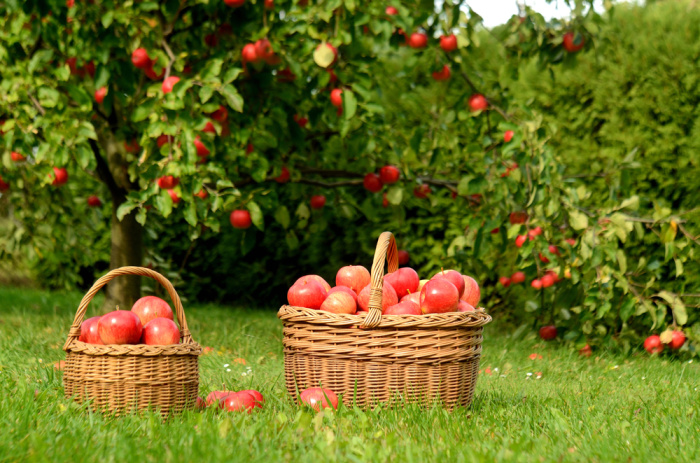
Here are some ideas within certain states about the best fruit trees and bushes to plant. One of the most rewarding things you can do for your family and your food storage goals is to plant your own fruit trees and bushes. Once established, they provide a steady harvest year after year with very little ongoing cost, and there’s nothing quite like walking into your own backyard to pick fresh fruit for breakfast. Today I want to walk you through some of the best options for home growers, along with tips for choosing the right varieties for your climate and your space available.
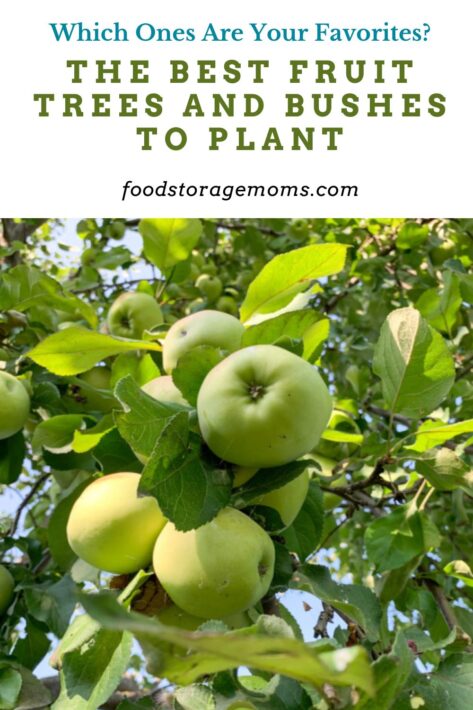
The Best Fruit Trees And Bushes To Plant
Why Grow Your Own Fruit
Growing your own fruit means you control exactly what goes into the soil and onto the plant, which is wonderful for families who care about clean eating. It also means real savings over time, since a single mature tree or a row of berry bushes can produce far more fruit than most families can afford to buy in a season. Fruit trees and bushes also add to your overall food security. Even in years when grocery prices climb, a backyard orchard keeps fresh fruit on your table.
Best Fruit Trees To Plant
Apple trees are one of the easiest fruit trees for beginners. Apples are hardy, store well, and have varieties suited to nearly every climate zone. Look for disease-resistant varieties like Honeycrisp, Gala, or Liberty, and remember that most apple trees need a second variety nearby for proper pollination.
Cherry trees are wonderful for families in cooler climates with a true winter chill. Sour cherries like Montmorency are especially easy to grow and are perfect for pies, jams, and dehydrating. Sweet cherries need a bit more care, but they reward you with fruit that is delicious straight off the tree.
Peach and nectarine trees produce quickly, often within two to three years, and the fruit is wonderful fresh, canned, or dried. They do need a sunny, sheltered spot, since the blossoms can be sensitive to late-spring frosts.
Pear trees are low-maintenance and long-lived. Wide varieties store for weeks after harvest, which makes them a great choice if you want fruit that lasts into the cooler months without much processing.
Plum trees are compact, often more tolerant of poor soil than other fruit trees, and produce heavily once established. European plums are wonderful for drying into prunes, while Japanese plums are best enjoyed fresh.
Apricot trees do best in regions with cold winters but early, dry springs, since late frost can damage the early blossoms. When conditions are right, a single tree can produce an enormous harvest.
Best Fruit Bushes To Plant
Blueberry bushes are beautiful, productive, and packed with nutrition. They do need acidic soil, so plan to amend your planting area with peat moss or a soil acidifier if your native soil leans alkaline, which is common here in the Intermountain West.
Raspberry canes spread readily and produce two crops a year if you choose everbearing varieties. They’re one of the most forgiving fruits to grow and a favorite for children to pick straight from the bush.
Blackberry bushes are vigorous growers that produce heavily in midsummer. Thornless varieties make harvesting much easier, especially if you have young children helping in the garden.
Currant and gooseberry bushes are wonderful old-fashioned choices that thrive in cooler climates and partial shade, making them a great option for a spot in your yard that doesn’t get full sun.
Elderberry bushes have become increasingly popular for their immune-supporting properties. They grow quickly, tolerate a wide range of soil conditions, and the berries are excellent for syrups and home remedies.
Tips For Choosing The Right Varieties
Always check your hardiness zone before choosing a variety. Here in the Salt Lake Valley and much of Utah, we generally fall into zones 6 or 7, which works well for apples, cherries, pears, plums, raspberries, currants, and many apricot varieties, while peaches and blueberries need a bit more planning and soil preparation.
Pay attention to chill hours, which are the number of cold hours below a certain temperature a tree needs each winter to produce fruit properly. Choosing a variety suited to your chill hours will save you years of disappointment.
Plan for pollination. Many fruit trees, especially apples, pears, and sweet cherries, need a second compatible variety nearby to produce fruit. Always check pollination requirements before you plant.
Give your trees and bushes room to grow. It’s tempting to plant closely for a fuller look right away, but proper spacing keeps plants healthy and productive for decades.
Mulch generously and water consistently, especially during the first two years while the root system is establishing itself.
Growing Fruit In Hotter And More Southern Climates
I know many of my readers garden well outside the Intermountain West, so I wanted to add some guidance for those of you in places like Arizona, Nevada, Oklahoma, and Texas, since your growing conditions are quite different from ours here in Utah.
In Arizona and southern Nevada, summer heat and low chill hours are the biggest factors to plan around. Low-chill apple varieties such as Anna and Dorsett Golden perform far better than traditional apple varieties that need a long, cold winter. Peaches and nectarines also do well if you choose low-chill varieties bred specifically for desert climates. Pomegranate trees thrive in this heat and are among the easiest fruiting plants in the region. Figs are another excellent choice, tolerating both heat and drought once established. For bushes, look at desert-adapted grapevines and jujube, which handle extreme heat beautifully. Afternoon shade and deep, infrequent watering help any fruit tree survive the hottest stretches of summer in this region.
In northern Nevada, where winters are colder and closer to our own zone here in Utah, many of the same trees that do well in Utah, including apples, cherries, and pears, will also thrive.
In Oklahoma and Texas, growing conditions vary widely by region, but humidity and heat are usually the main challenges rather than cold. Peach trees are a favorite throughout much of Texas and Oklahoma, with varieties bred for southern heat and humidity producing especially well. Pecan trees are a wonderful long-term investment in this region and are practically a Texas tradition. Plum trees, particularly Japanese varieties, handle the heat well and produce reliably. Fig trees also do nicely throughout most of Texas and southern Oklahoma. For bushes, blackberries are outstanding throughout this region and often outproduce raspberries, which struggle more in southern heat and humidity. Muscadine grapes are another wonderful regional choice, especially in eastern Texas and Oklahoma, where humidity is higher.
No matter which of these states you call home, the same basic principles apply. Choose varieties bred for your specific chill hours and heat tolerance; give your trees afternoon shade if your summers are extreme; mulch well to protect roots from heat stress; and water deeply rather than frequently to encourage strong root systems.
Preserving Your Harvest
Once your trees and bushes start producing, you’ll want a plan for preserving the extra fruit. Canning, dehydrating, freezing, and making jams or fruit leather are all wonderful ways to enjoy your harvest throughout the year. A backyard orchard pairs well with a home food storage plan, giving your family fresh fruit in season and preserved fruit year-round.
- Dehydrating Apples
- Dehydrating Bananas
- Dehydrating Blackberries and Powder
- Dehydrating Blueberries and Powder
- Dehydrating Cilantro
- Dehydrating Cucumbers and Powder
- Dehydrating Ginger and Powder
- Dehydrating Green Onions and Powder
- Dehydrating Kale and Kale Powder
- Dehydrating Kiwi
- Dehydrating Lemons and Powder
- Dehydrating Marshmallows
- Dehydrating Peppermint Marshmallows and Powder
- Dehydrating Mushrooms and Mushroom Powder
- Dehydrating Onions and Powder
- Dehydrating Pears
- Dehydrating Pineapple
- Dehydrating Raspberries and Powder
- Dehydrating Spinach and Powder
- Dehydrating Strawberries
- Dehydrating Tomatoes and Powder
- Dehydrating Watermelon
Final Word
Planting fruit trees and bushes is one of the best long-term investments you can make for your family’s health, your grocery budget, your food security, and your efforts to beautify your yard. The work you put in now, choosing the right varieties, preparing your soil, and giving your plants room to thrive, will reward you with baskets of fresh fruit for many years to come. Start with one or two trees or a small row of berry bushes this season, and watch how quickly your little homestead grows. May God bless our world, Linda
Copyright Images: Green Apples Depositphotos_409699570_S, Red Apple Trees With Wicker Baskets Depositphotos_94264302_S
The post The Best Fruit Trees And Bushes To Plant appeared first on Food Storage Moms.
from Food Storage Moms
No comments:
Post a Comment