Estimated reading time: 6 minutes
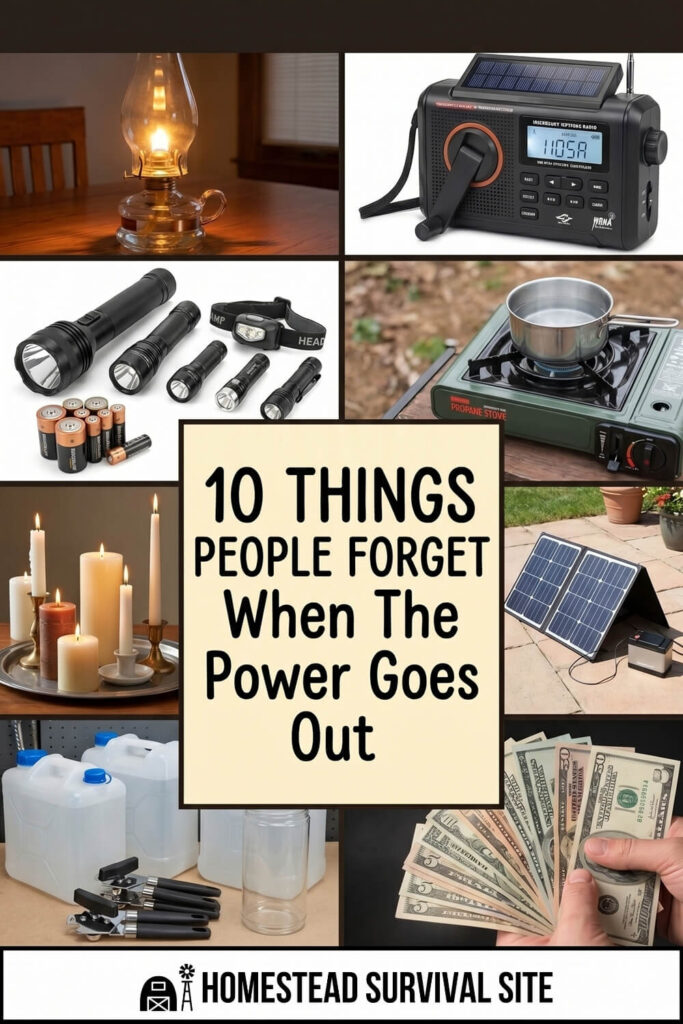
Most of us flip a light switch dozens of times a day without a second thought. We plug in our phones, run the dishwasher, and crank up the heat without ever considering what life looks like when the grid goes down. But when a storm knocks out power for more than a few hours, that comfortable routine falls apart fast, and that's when you realize just how unprepared you actually are.
A power outage isn't just an inconvenience. Without electricity, you lose heat or cooling, running water may become unreliable, food starts to spoil, and the darkness can make even a familiar home feel disorienting. Most people assume they'll figure it out when it happens. They won't. Or at least not easily.
That's why I love this video from the YouTube channel, Clever Joe Off Grid. Joe lives off-grid full time, so power outages aren't a crisis for him. In this video, he walks through the 10 things that actually matter when the lights go out, and a few of them are ones most people never think about until it's too late.
You can watch the video and see his list below.
1. Backup Power
The first thing you'll want is some kind of power source, but Joe cautions against overthinking this. A lot of people's first instinct is to buy a portable power station, and while those are useful, they only cover you for a day or two before you're stuck wondering how to recharge them. Joe recommends starting with a generator. He uses the Honda EU2200i, a quiet 2,000-watt unit that can safely run most household appliances, including your refrigerator.
The ideal setup pairs a generator with a power station. You can also build your own power station using a 12-volt lithium battery and a pure sine wave inverter, which gives you comparable capacity to a name-brand unit at a lower cost. Either way, having a recharge strategy is just as important as having the power station itself.
2. Heat
If your power goes out in winter, heat quickly becomes your most urgent concern. A wood stove is the gold standard, but Joe points out there are solid alternatives. A propane heater like the Thermate can be used safely indoors in cooler shoulder-season temperatures, as long as you have a carbon monoxide detector and don't run it while you sleep. Other options include diesel or kerosene heaters.
One underrated solution Joe swears by: an electric blanket plugged into a power station. It draws very little power and can keep you genuinely warm through a cold night without burning through your fuel supply.
3. Water
You can tolerate being without power for a while. You cannot tolerate being without water. Joe recommends keeping water stored ahead of time. He fills containers halfway in winter so they can freeze and thaw without bursting. Beyond storage, a water filter is essential.
Joe mentions the Membrane Solutions filter as a solid, affordable option, and notes that smaller hiking-style filters (around $20) are perfect to stash in a cabinet and forget about until you need them.
4. Lighting
This one sounds obvious, but people consistently underestimate it, especially at 2 a.m. when they're stumbling around a dark house half asleep. Joe recommends thinking like a camper: keep a self-recharging flashlight, a headlamp, and a reliable rechargeable lantern accessible at all times.
Candles work in a pinch. For longer outages, 12-volt lighting systems are especially efficient and can stretch your power reserves considerably. The goal is to never be caught searching for a flashlight that doesn't work when you actually need one.
5. Food
The biggest mistake people make with emergency food is buying things they'll never actually eat. Joe's approach is simple: stick to dry goods you already use and practice rotation. Use what you have within a few weeks and replace it. None of this has to be expensive.
Most of what Joe keeps stocked costs about a dollar per item at a dollar store. Skip the elaborate prepper pantry and just build a reasonable buffer of everyday staples.
6. Cooking
Once you have food, you need a way to prepare it. Joe's go-to is a butane burner with butane canisters, which he notes can be found cheaply at Asian supermarkets. A propane barbecue works just as well.
A small camping stove kit with a kettle pot covers most bases and can run off a 500-watt power station or larger. The point is to have at least one non-electric cooking method ready before the outage happens, not after.
7. Communication
When the power goes out, so does your Wi-Fi, and your phone battery won't last forever. Joe gives a brief but important mention to staying connected with what's happening outside your home.
A battery-powered or hand-crank emergency radio lets you receive weather alerts and news updates without depending on the grid. Knowing whether the outage is expected to last two hours or two days makes a significant difference in how you manage your resources.
8. Sanitation
Sanitation is one of the most overlooked items on any emergency prep list, and Joe covers two sides of it. First, personal hygiene: he recommends a simple bucket shower (heat some water, dip your bucket, done) or a rechargeable shower pump that hangs overhead. Wet wipes are an easy backup for staying reasonably clean between showers.
Second, and more urgently: the toilet situation. If your water pressure drops or your septic system stops working, you need a plan. A five-gallon bucket with a toilet seat lid from a hardware store does the job. Line it with compostable bags and you've got a functional sanitation solution that costs almost nothing to set up ahead of time.
9. Food Storage
Joe flags this as one that hits people hard during extended outages: the freezer full of food you're suddenly worried about. A standard power station can run a full-size fridge for a few hours, maybe longer, but not for days.
A better option is redirecting your food into a small chest freezer, which draws significantly less power and keeps food frozen longer. For those who want to go further, a 12-volt refrigerator running off a dedicated power station can keep food cold for several days on a modest charge.
10. Mental Comfort
Joe saves this one for last, and it might actually be the most important. Once your physical needs are covered, surviving a power outage well comes down to staying calm and keeping life feeling reasonably normal. Have something to do like a book, a card game, or a project of some kind.
A little preparation means you're comfortable rather than stressed while you wait it out.
You May Also Like:
The post 10 Things People Forget When The Power Goes Out appeared first on Homestead Survival Site.
from Homestead Survival Site https://ift.tt/oMJg73c
No comments:
Post a Comment