Fires: Why are there so many everywhere? If it seems like fires are in the news more than ever before, that’s because they are. Whether you’re watching smoke billow across a distant mountain range on the evening news or smelling haze in your own backyard, fires have become a constant presence in American life. Understanding why they start, how they spread, and what every family can do to help is one of the most important conversations we can have right now.
Fires: Why Are There So Many Everywhere?
The Scope of the Problem
The numbers are staggering. So far in 2026, wildfires have burned nearly 1.9 million acres across the United States, with more than 25,500 fires recorded and acreage burned already significantly above the ten-year average for this point in the year. To put that in perspective, 2026 ranked first for the number of ignitions by late March in any year of the past decade. Peak fire season hasn’t even fully arrived yet. Inside Climate News
This isn’t just a Western state’s issue anymore. While most wildfires in the United States occur from May to November, they can occur at any time of the year, and those outside the traditional fire season are becoming more common due to climate change and shifting weather patterns. Families in Florida, Georgia, North Carolina, Nebraska, and dozens of other states are now facing fire threats that were unimaginable a generation ago. Wikipedia
How Fires Get Started
There’s no single villain in the story of wildfires, but there are clear patterns. Understanding the most common causes is the first step toward prevention.
Carbon Monoxide, Propane, and Natural Gas Detector
Human-Caused Fires
This is the category that should concern every one of us the most, because it’s the one we have the most control over. Nearly 85 percent of wildfires in the United States are caused by people and are considered preventable, according to fire officials. Some of the most common human causes include unattended campfires, out-of-control debris burning, discarded cigarettes, and arson. Authorities are urging the public to take precautions, including checking trailer chains for sparks, following local fire restrictions, and ensuring campfires are fully extinguished. Even something as simple as parking your vehicle over dry grass can spark a fire from the heat of your exhaust system. The smallest careless act on the driest of days can lead to a catastrophe that burns for weeks. Fire and Safety Journal Americas
Electrical Fires
Power lines are a significant and often overlooked source of wildfire ignitions. When lines fall during high winds or when equipment fails and sparks land in dry vegetation, fires can start within seconds. In densely populated areas, electrical fires can escalate rapidly because they often start in hard-to-reach, hard-to-detect locations, often by the time the blaze is already large. Homeowners can help by keeping trees and vegetation trimmed well away from power lines and by reporting downed lines to their utility company immediately.
Lightning-Caused Fires
Nature starts fires, too, and lightning is its primary tool. A dry lightning event in May 2026 resulted in numerous fire starts across the Intermountain West and southern High Plains, with fires burning more than 250,000 acres from the Texas Panhandle outward. Dry lightning, which is lightning that strikes without accompanying rainfall, is particularly dangerous because there are no firefighting resources in place before it hits and no rain to help suppress what it ignites. National Interagency Fire Center
Other Common Causes
Beyond these major categories, fires also start from fireworks, burning debris during high-wind advisories, improperly discarded ash from wood stoves, and sparks from outdoor grilling. Each of these is something a family can directly address with a little awareness and planning.
The Role of Drought
Drought is the kindling that turns a small spark into a monster. When soil and vegetation dry out over weeks and months, everything around us becomes potential fuel. In January 2026, the U.S. Drought Monitor reported that 69 percent of the United States was under drought conditions. Wikipedia
During drought conditions, every family should take extra precautions. Don’t burn yard debris, even if it’s technically legal in your area, because a sudden gust of wind can carry an ember far beyond your property. Avoid mowing dry grass during the hottest part of the day, since a metal blade striking a rock can generate a spark. Check your local fire restrictions before doing anything outdoors that involves an open flame. Many counties and municipalities post fire danger ratings online and update them daily. If your area is under a red flag warning, treat it seriously. That designation means conditions are perfectly aligned for fire to spread rapidly and become impossible to control quickly.
Campfire Safety: Getting It Right
One of the great joys of summer is gathering around a campfire with your family. It’s also one of the most common ways wildfires begin. Following a few firm rules every single time you build a fire can make the difference between a wonderful memory and a tragedy.
Before you ever strike a match, check the fire rules for the specific area where you’re camping. Regulations change frequently, especially during dry spells. A campground that allowed fires the last time you visited may have a temporary ban in place this season. Don’t build a fire in dry or windy conditions, especially if fire restrictions are in place, and check with local authorities before assuming a fire is allowed. Recreation.gov
When choosing where to build your fire, select a flat area with an open overhead, avoid gusty winds, avoid open fields, and stay at least 15 feet from tents, vegetation, and low-hanging branches. Use an existing fire ring whenever one is available. Keep your fire small. A large roaring fire may feel festive, but a modest fire is far easier to control and extinguish completely. Smokey Bear
Never use gasoline, lighter fluid, or any other accelerant to start or boost a campfire. These substances cause unpredictable flare-ups that can ignite clothing, hair, or nearby materials in an instant. Use dry kindling and patience instead.
A campfire shouldn’t be left alone, even for one minute. A small breeze can spread fire quickly, so there should be at least one set of eyes monitoring the fire at all times. Even if you’re leaving the fire for a short time, such as for a quick hike, the fire should be completely extinguished before you walk away. ReserveAmerica
What to Do After Camping: Extinguishing Your Fire Properly
This step is where too many well-intentioned campers fall short. Burying coal or piling dirt on top of it is not enough. Embers buried underground can smolder for hours or even days, then reignite when uncovered by wind. The correct method is thorough, and it takes more time and more water than most people expect.
Use the drown, stir, and feel method. Drown the fire with water, then stir around the fire area with your shovel to wet any remaining embers and ash. Turn over any wood pieces and soak all sides thoroughly. Add soil to the fire bed and mix thoroughly to smother any remaining heat. Confirm the fire is out by feeling for heat with the back of your hand, and the area should be cool to the touch before you walk away. Ready for Wildfire
Pour lots of water on the fire until the hissing sound stops, drowning all the embers and not just the red ones. Continue adding water, dirt, and sand until all material is cool. Move rocks around the edge of your fire ring, because burning embers can hide underneath them. The campfire should be cold before you leave it unattended. If it’s too hot to touch, then it’s too hot to leave. Smokey Bear ReserveAmerica
If you’re camping in an area without an established fire ring, the Leave No Trace organization recommends that you burn all wood to white ash, grind the small coals to ash, thoroughly soak the remains with water, and scatter the remains over a large area away from camp. CleverHiker
Fireworks and Fire Risk
The Fourth of July and other celebrations bring fireworks into neighborhoods across the country every summer, and every summer, they start thousands of fires. Fireworks are dangerous to people and pets, and using them puts your property at risk. The best way to stay safe around fireworks is to avoid using them and instead attend a public fireworks display put on by professionals. Sparklers feel harmless and festive, but they can reach temperatures of 1,200 degrees Fahrenheit and cause serious burns. If fireworks are legal in your area and you choose to use them, do so only on hard, non-combustible surfaces, keep a bucket of water nearby, and soak all used fireworks thoroughly before disposing of them in a trash can. Never light fireworks during dry or windy conditions, and never point them toward structures, vehicles, dry vegetation, or other people. U.S. Fire Administration
The Stress on Our Water Supply
One of the lesser-discussed consequences of large wildfires is their impact on our water infrastructure. When multiple fires break out simultaneously across a region, the water demand can overwhelm what even a well-maintained system can deliver. As unprecedented wildfires raged through Los Angeles in January 2025, some firefighters suddenly lost access to water as city officials called the shortage a worst-case scenario they expect to see again. National Geographic
High water use from firefighting can drain the water system entirely. Damaged and destroyed structures cause uncontrolled water leaks, and power loss prevents water from being replenished quickly enough to the draining water systems. Combined, these factors can depressurize the entire water system, leaving no water available. When a water system is depleted under those conditions, it also becomes vulnerable to chemical contamination that can affect drinking water for months after the fire is out. CA
Beyond the immediate firefighting crisis, wildfires damage watersheds that communities depend on for their long-term water supply. Burned hillsides lose the vegetation that holds soil in place, leading to erosion and runoff that clogs rivers and reservoirs with ash and debris. Families should keep emergency water storage on hand at all times, because a wildfire in your region could affect your tap water supply long after the flames are gone.
The Toll on Firefighters and First Responders
We owe an enormous debt to the individuals who run toward fire while the rest of us run away. Wildland firefighters, structural firefighters, emergency medical technicians, and other first responders are stretched thin in genuinely alarming ways. The large and frequent blazes of early 2026 could overwhelm federal firefighting capacity come summer, with federal firefighters reporting a prevailing mood of uncertainty and anxiety about what the season ahead will bring. Inside Climate News
The health risks to firefighters extend beyond the obvious dangers of flame and smoke. Firefighters are exposed to toxic chemicals in the air and in debris, and research has shown elevated levels of harmful substances in the blood of first responders who worked major wildfire events. Beyond the physical risks, the mental and emotional toll of fighting fires season after season, often in remote locations away from family and for extended stretches of time, is significant and deserves our attention and our respect.
As families, there are meaningful ways to support first responders during fire season. Follow evacuation orders promptly and completely, because residents’ hesitation forces emergency personnel to divert resources from active firefighting to rescue operations. Give first responders space, and remember that it’s crucial not to impede firefighting efforts. Wildfires are no-drone zones. Flying a personal drone near a wildfire, even out of curiosity or to capture video, can ground the aerial resources firefighters depend on. Recreation.gov
How Every Family Can Make a Difference
The conversation about wildfires can feel overwhelming, but most fires are preventable, and every family has a role to play. Check your local fire restrictions before any outdoor activity that involves a flame. Teach your children from an early age that fire is a tool that demands deep respect. Never walk away from a campfire that hasn’t been fully extinguished. Choose to attend a professional fireworks show rather than setting off your own. Keep the vegetation around your home trimmed back from structures. Report smoke or unattended fires immediately by calling 911.
The goal isn’t to be afraid of enjoying the outdoors. Camping, cooking over a fire, and celebrating holidays together are wonderful parts of family life. The goal is to be the kind of person and the kind of family that leaves every place a little safer than they found it. That’s exactly the spirit of preparedness that we talk about every day here at Food Storage Moms.
Final Word
Fires aren’t going away, and the conditions that fuel them aren’t improving quickly. But almost nine out of ten wildfires in America are human-caused, meaning almost nine out of ten could have been prevented. That’s an extraordinary opportunity. Every family that takes fire safety seriously, learns the right way to extinguish a campfire, skips the backyard fireworks, and checks fire restrictions before heading outdoors is actively reducing the risk for their neighbors, their firefighters, and their community. Be the family that knows better and does better. Our forests, our water, and our first responders are depending on all of us. May God bless this world, Linda
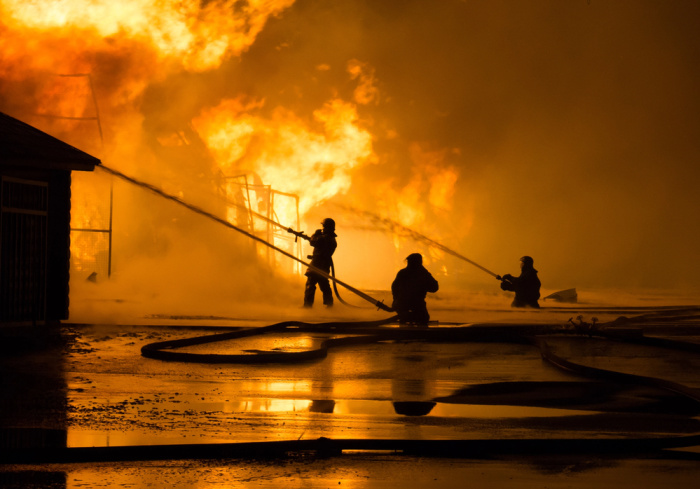
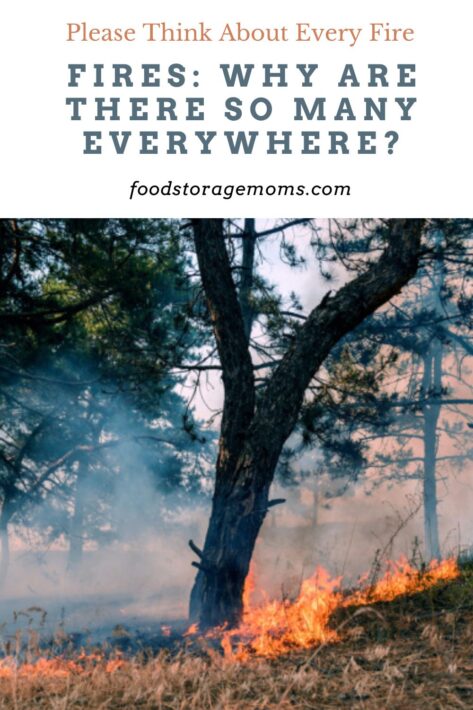
Copyright Images: Forest Fire Burned Trees Depositphotos_179017454_S, Firemen At Work Depositphotos_45922005_S
The post Fires: Why Are There So Many Everywhere? appeared first on Food Storage Moms.
from Food Storage Moms
No comments:
Post a Comment